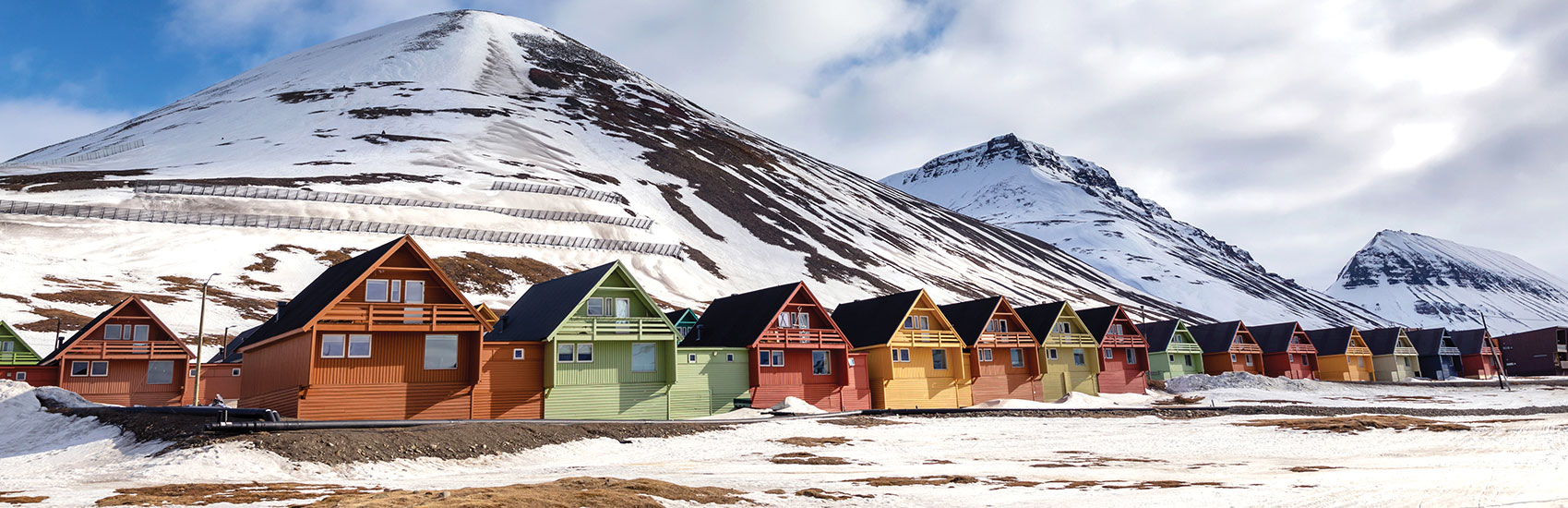
Journey to the Arctic, where blue icebergs, calving glaciers, towering fjords, and endless tundra under the midnight sun create a landscape unlike anywhere else. This is one of the best regions in the world for wildlife encounters, including polar bears, whales, musk ox, and reindeer, alongside rich cultural traditions across Greenland, Arctic Canada, and the Nordic North. From Northern Lights travel to expedition cruises and remote coastal exploration, Arctic travel offers a range of experiences shaped by season, destination, and how you choose to explore.
Arctic travel can take many forms, from expedition cruises through Greenland and Svalbard to Northern Lights journeys in Norway and Lapland. Each itinerary is shaped by season, destination, and how you want to explore.
Explore the best time to visit depends on what you want to experience.
• Summer (late May to September): The most accessible season, with milder temperatures, 24-hour daylight, and ideal conditions for expedition cruises, hiking, kayaking, and wildlife viewing.
• Winter (late October to March): Best for Northern Lights travel and snow-based experiences such as dog sledding, snowmobiling, and ice hotels. Expect colder temperatures and limited daylight, especially in higher Arctic regions.
Shoulder Seasons:
• February to April: Excellent snow conditions with more daylight returning.
• September to October: Early Northern Lights, fewer travelers, and more moderate conditions.
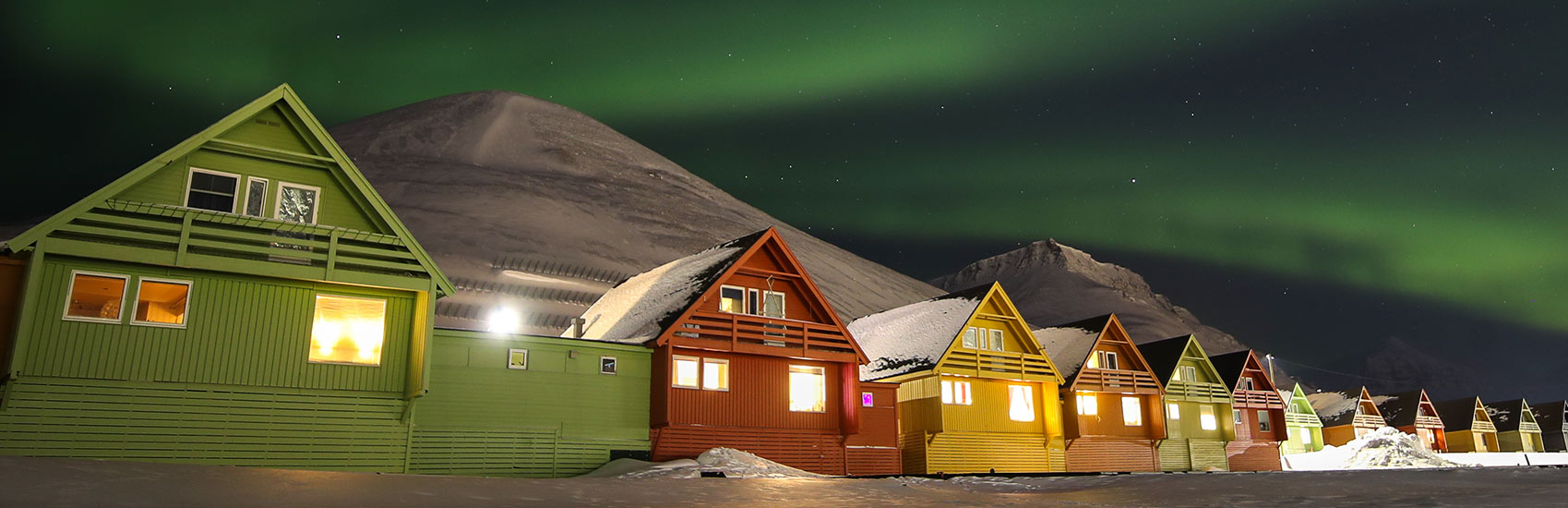
Northern Lights (Aurora Borealis) tip: Viewing is typically strongest between late September and late March. Clear skies and darkness matter more than solar forecasts.
The Arctic offers a mix of wildlife, landscapes, and cultural experiences that are difficult to find anywhere else, with each season shaping what you’ll see and how you explore.
• Northern Lights viewing and aurora stays in Norway, Sweden, Finland, and Greenland, including glass igloos and remote cabins.
• Arctic expedition cruises through Svalbard, Greenland, and the Canadian Arctic, with Zodiac landings and access to remote fjords and pack ice.
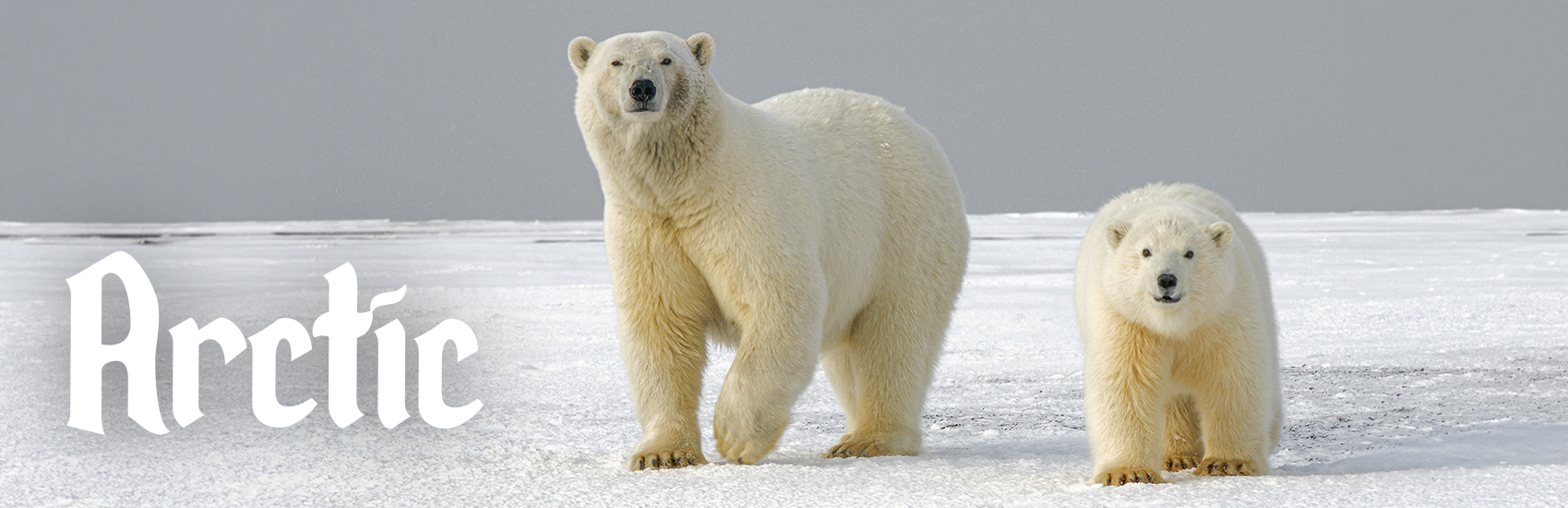
• Polar bear viewing in Svalbard (summer), Churchill (autumn), and on select expedition cruise routes in Greenland and Arctic Canada.
• Whale watching in the Arctic, including Disko Bay in Greenland, Húsavík in Iceland, and Northern Norway for seasonal orca and humpback sightings.
• Glaciers and icebergs, with boat excursions in Ilulissat Icefjord, visits to Eqi Glacier, and cruising through glacier-lined fjords.
• Cultural experiences in the Arctic, including Inuit communities in Greenland and Nunavut, Sámi reindeer herding and traditions in Lapland, and Iñupiat heritage in Alaska.
• Dog sledding and snowmobiling in the Arctic, especially across Greenland, Svalbard, and Nordic Lapland during winter and spring.
• Unique Arctic stays, including the ICEHOTEL in Sweden, Snowhotel Kirkenes in Norway, remote Greenland lodges, and aurora-viewing accommodations.
The Arctic spans several regions, each offering a different mix of landscapes, wildlife, and experiences. From Greenland’s iceberg-filled fjords to Northern Lights destinations in Norway and Lapland, where you go will shape the kind of Arctic trip you have.
Greenland is one of the most sought-after Arctic destinations for its massive icebergs, deep fjords, and remote coastal communities. It’s especially popular for icefjord landscapes, whale watching, glacier experiences, and cultural immersion.
• Disko Bay and Ilulissat: Home to the UNESCO-listed Ilulissat Icefjord, one of the most active glacier fronts in the world, with towering icebergs, boat excursions, kayaking, and whale watching from July to September.
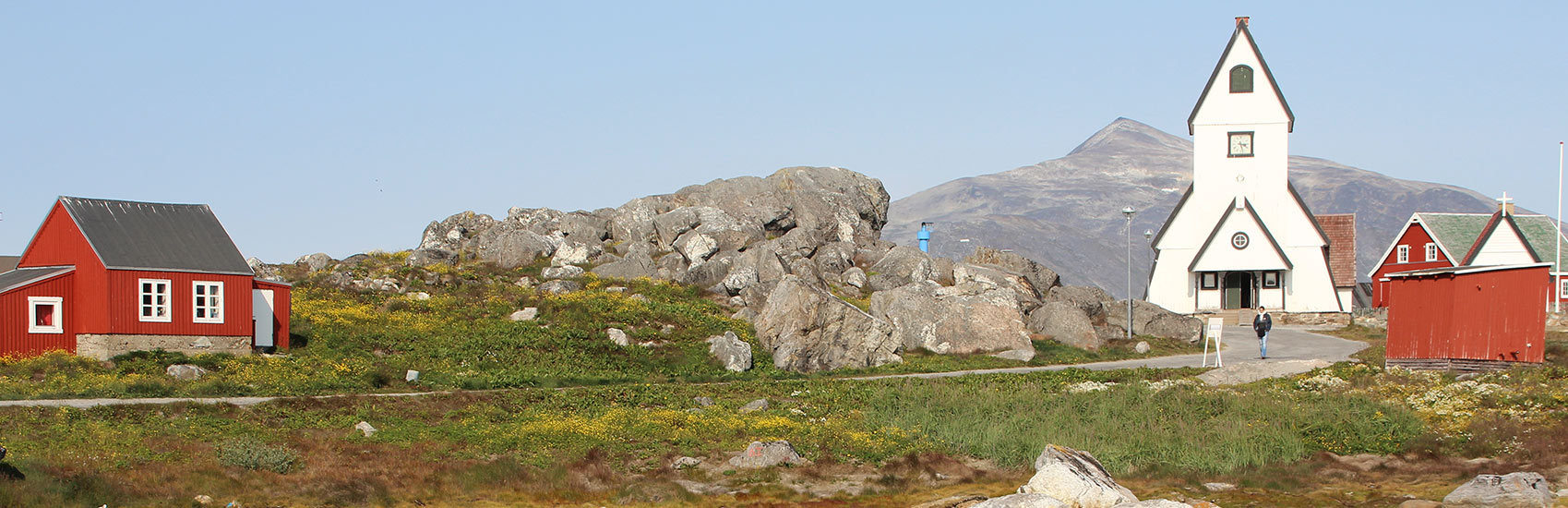
• Nuuk and the West Coast: Greenland’s capital offers museums, fjord cruises, and a modern Arctic cuisine.
• Eqi Glacier and Kangerlussuaq: One of the most accessible glacier regions, with opportunities to see ice calving and musk ox.
• South Greenland: A unique mix of Norse ruins, green valleys, hot springs, and summer farm stays.
• East Greenland (Tasiilaq): Remote and rugged, with dramatic mountain landscapes, guided expeditions, and traditional village life.
Svalbard is one of the best destinations in the Arctic for wildlife-focused travel and expedition cruises, especially for those hoping to see polar bears in their natural habitat.
• Longyearbyen (Spitsbergen): The main gateway for Arctic expedition cruises, with access to glacier-carved fjords, walrus haul-outs, seabird cliffs, and remote polar bear habitats, along with visits to sites like the abandoned Soviet mining town of Pyramiden.
• Summer (May to September) offers “midnight sun”, peak wildlife viewing, and the best conditions for expedition cruising through fjords, glaciers, and pack ice.
• Winter (January to March) offers snowmobiling, polar night experiences, and Northern Lights viewing.
This region is one of the most accessible and popular for Northern Lights travel, winter experiences, and cultural immersion.
• Tromsø, Alta, and Kirkenes: This region is one of the most accessible and popular for Northern Lights travel, winter experiences, and cultural immersion.
• North Cape and Finnmark: Dramatic coastal scenery along the Barents Sea, with midnight sun in summer.
• Swedish and Finnish Lapland: Abisko (known for clear aurora skies), Kiruna’s ICEHOTEL, and Sámi culture in Inari and Utsjoki. (Not all are above the Arctic Circle, but they’re classic “Arctic” experiences.)
Arctic Canada offers some of the most remote and untouched landscapes, combining expedition cruising, Inuit culture, and unique wildlife encounters.
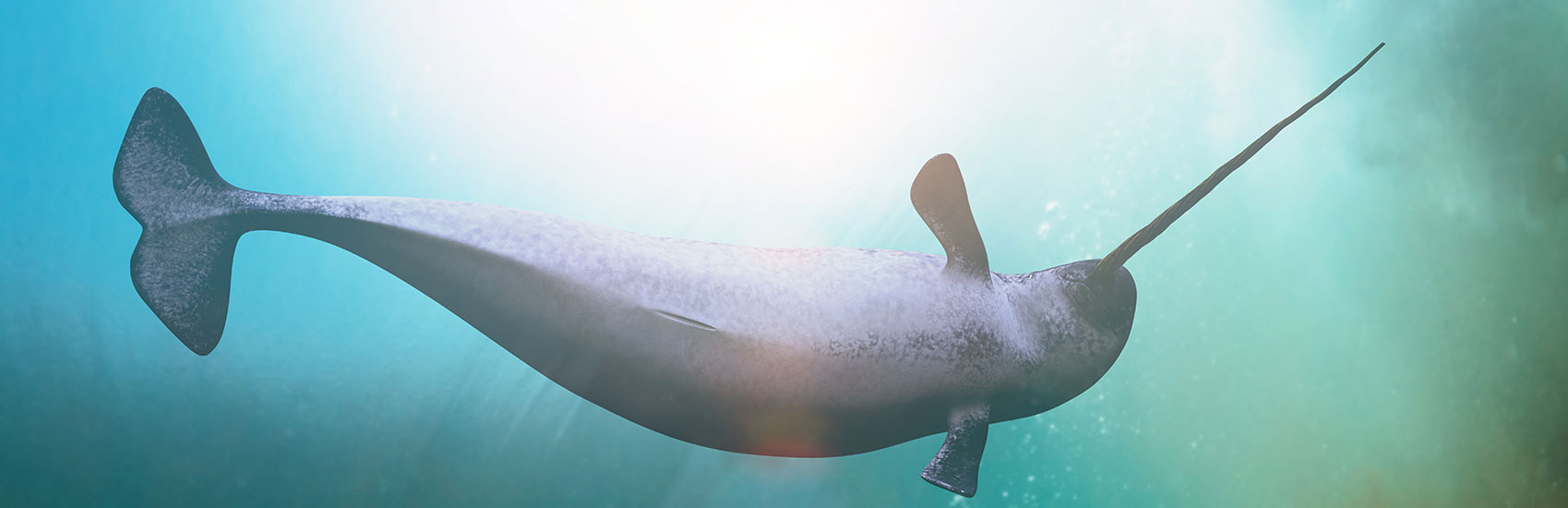
• Nunavut (Baffin Island, Pond Inlet, Mittimatalik): Ice-filled fjords, Inuit art and traditions, and summer wildlife including narwhal.
• Northwest Passage: Expedition cruises linking Greenland and the Canadian Arctic for history, ice, wildlife.
• Churchill, Manitoba (Subarctic): One of the most famous places in the world for polar bear viewing in October and November, along with beluga whales in summer.
While not fully Arctic, these regions are often included in Arctic itineraries and offer whale watching, remote landscapes, and coastal exploration.
• Akureyri and Húsavík: Known as one of the best whale watching destinations in Europe with volcanic landscapes.
• Westfjords (Ísafjörður and Hornstrandir): Remote hiking, cliffs, and puffin colonies.
• Grímsey Island: The only place in Iceland located directly on the Arctic Circle.
It depends on what you want to experience. Summer is best for wildlife, expedition cruises, and midnight sun, while winter offers Northern Lights viewing and snow-based activities like dog sledding and snowmobiling.
Svalbard, parts of Greenland, and Arctic Canada are among the best places to see polar bears. Churchill, Canada is known for land-based viewing in autumn, while Svalbard is a top destination for sightings during summer expedition cruises.
An Arctic expedition cruise is a small-ship journey designed for exploration. These trips use Zodiac boats for guided landings, wildlife viewing, and access to remote areas that larger ships cannot reach.
Yes, both Greenland and Norway are excellent for Northern Lights travel. The best conditions are typically between late September and late March when nights are longest and skies are darkest.
For first-time travelers, Norway and Lapland are often the most accessible for Northern Lights and winter experiences, while Greenland and Svalbard offer more remote, expedition-style travel. The right choice depends on your travel style and timing.
Both offer different advantages. Expedition cruises provide access to remote landscapes and wildlife, while land-based trips are ideal for Northern Lights viewing and winter activities. Many travelers choose based on season and experience level.
Arctic travel can be complex due to limited seasons, remote access, and varying itineraries. Working with a Direct Travel advisor can help simplify the process and ensure your trip is well-timed and aligned with what you want to experience.
Travel in the Arctic is shaped by timing, access, and logistics in ways that are very different from other destinations. Seasons are short, routes vary, and the best experiences often depend on small details that aren’t always obvious when researching on your own.
Working with a Direct Travel advisor means having someone who understands how to align the right destination, timing, and travel style with what you want out of the trip. From selecting the right expedition or land program to coordinating the details around it, the goal is to make the experience feel seamless from start to finish.
Whether you’re planning your first Arctic trip or looking for something more specific, having the right guidance can make a meaningful difference in how the journey comes together.