Protecting Australia's Wild Side
Australia is known for its incredible wildlife, from fluffy Koalas to bouncing Kangaroos to species found nowhere else on Earth.
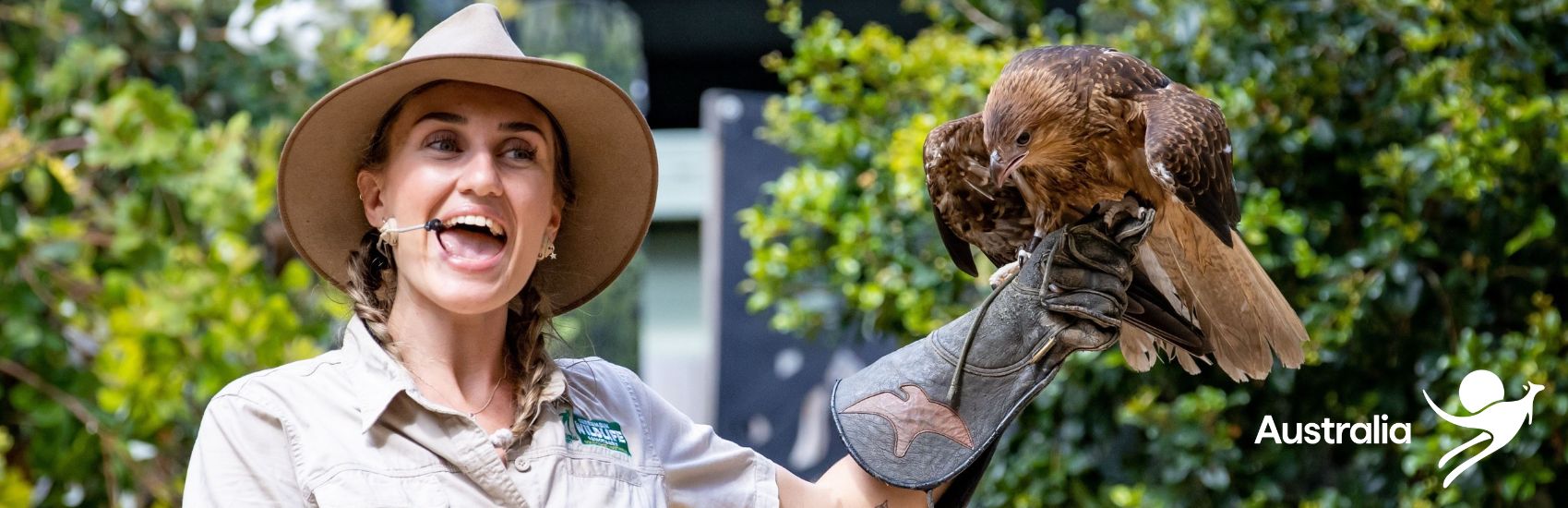
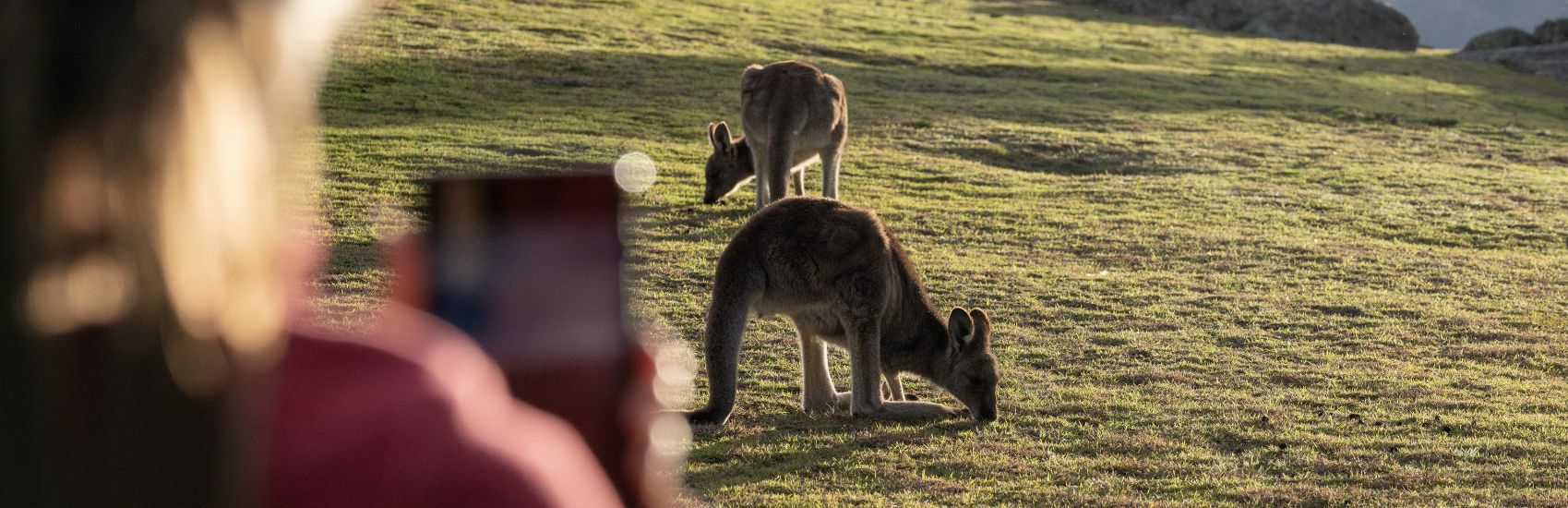
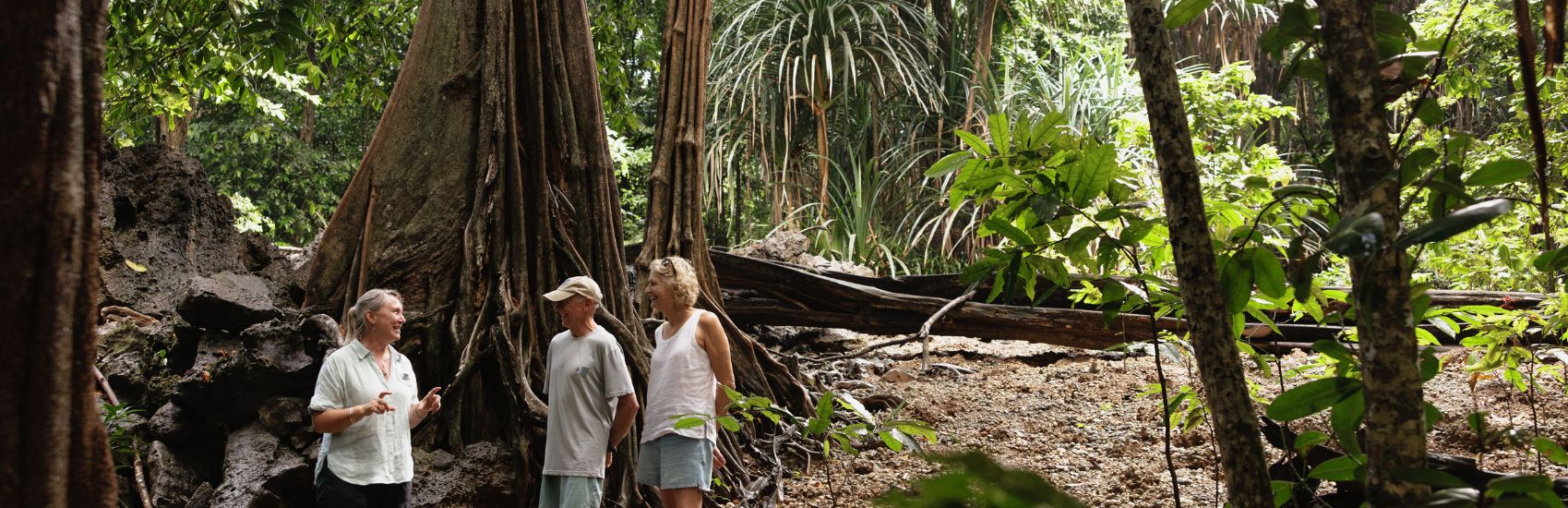
When travelers visit Australia, they're not simply seeing wildlife. They're experiencing ecosystems that people are actively working to protect. Australia has over 100,000 species of animals. These conservation efforts aim to protect these national treasures, and you can be part of them on your travels Down Under. From visiting wildlife sanctuaries to exploring protected landscapes and choosing responsible wildlife encounters, discover how you can experience Australia's wild side while helping protect it for generations to come.
Visit wildlife sanctuaries that participate in conservation
Wildlife sanctuaries offer a way to encounter native species while learning about the work being done to protect them. Across Australia, these places support wildlife rehabilitation, research, education, breeding and reintroduction programs that give threatened species a better chance for the future.
In South Australia, Yookamurra Wildlife Sanctuary is a haven for threatened species and has supported successful wildlife reintroductions. In New South Wales, the Walkabout Wildlife Sanctuary supports breed-for-release programs that help re-establish wild populations of native animals. Queensland’s Currumbin Wildlife Sanctuary is home to the Currumbin Wildlife Hospital, which treats more than 16,000 sick, injured and orphaned native animals each year. In the Northern Territory, Territory Wildlife Park offers the chance to see native animals in natural settings while learning more about the region’s unique habitats and wildlife.
See koalas while learning about habitat restoration
Everyone’s favorite marsupial is actually considered a vulnerable species globally. In South Australia on Kangaroo Island, you can get up close with these iconic animals while learning about the efforts being made to protect them. Koalas are not native to the island and were brought here as an effort to help their population recover from issues on the mainland. Conservation tours provide insight into habitat restoration and the importance of preserving the eucalyptus forests koalas depend on for food and shelter. It’s a chance to see these beloved animals while gaining a deeper understanding of what is being done to help protect their future.
Explore Protected Landscapes
Australia has about 173.5 million hectares of protected land and 460 million hectares of marine protected areas. These protected spaces do more than preserve beautiful landscapes; they provide a safe home for the animals that make Australia so unique. At Uluru-Kata Tjuta National Park in the Northern Territory, you can experience the iconic red stone monoliths while keeping an eye out for native wildlife that calls the desert landscape home. In Queensland, explore Daintree National Park, an ancient rainforest where species like the southern cassowary thrive. Or head to the Blue Mountains in New South Wales, where eucalyptus forests, sandstone cliffs and deep gorges provide habitat for koalas, wombats, wallabies and native birds. By exploring these protected places, travelers can experience Australia's wildlife where it belongs: in the wild.
Choose Responsible Wildlife Encounters
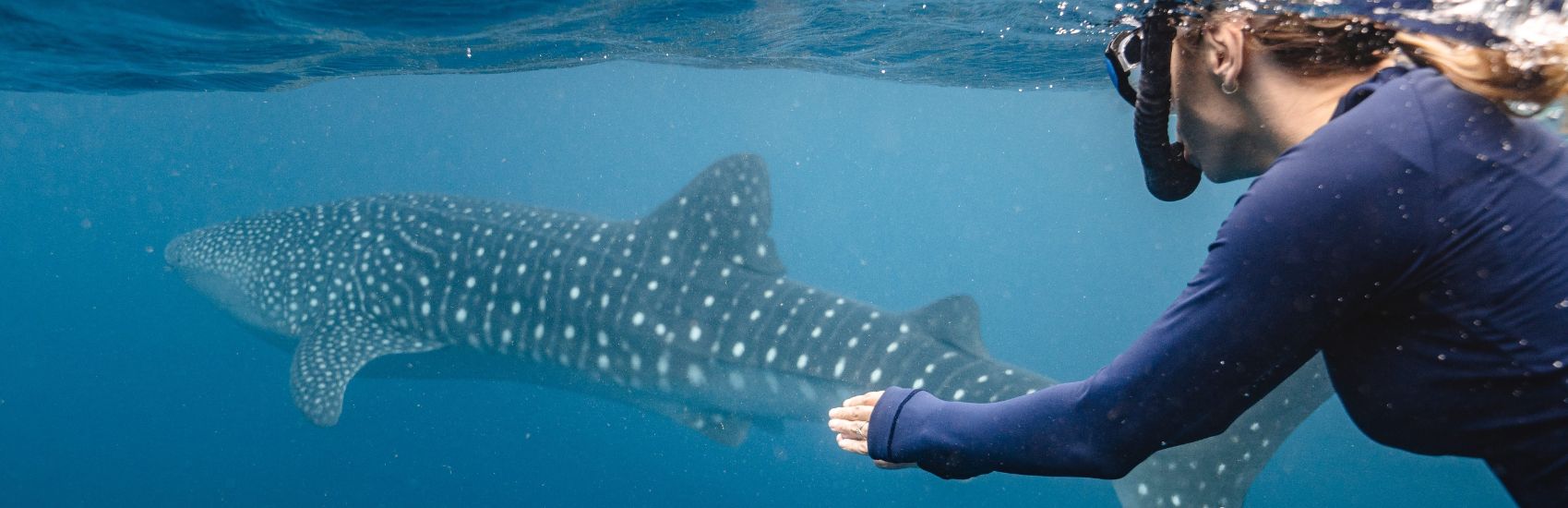
One of the best ways travelers can contribute to Australia's wildlife is by choosing experiences that put animal welfare and conservation first. Look for reputable wildlife operators and sanctuaries, observe animals from a respectful distance, follow local guidelines, and choose experiences that support conservation rather than disrupt natural behaviors. Places like Ningaloo Reef in Western Australia, a UNESCO World Heritage site, have an emphasis on responsible tourism while being able to experience the longest fringing coral reef, swimming with whale sharks, and other unique experiences offered by this amazing marine spot. Looking for a more intimate experience? Come waddle with the little penguins in Tasmania. There are several areas around the state where you can see these little creatures; joining a guided tour is a safe way to get the most out of your visit while keeping the animals safe.
Travel That Gives Back
Travel can also play a role in protecting the places we visit. G Adventures’ Trees for Days program grows one tree for every day a traveler spends on tour, in partnership with Planeterra and Reforest. The program supports reforestation projects that help restore ecosystems, remove carbon, and create benefits for local communities. It’s one example of how the journey itself can have a positive impact on the places and environments travelers come to experience.
Australia’s wildlife is one of the country’s greatest treasures, but protecting it takes more than admiration. It takes dedicated conservation efforts, protected habitats, responsible tourism and a commitment to preserving these incredible species for the future.
The next time you travel to Australia, look beyond the wildlife encounter itself. Choose experiences that support conservation, learn from the people caring for Country, explore protected landscapes and give wildlife the space to remain wild. By traveling thoughtfully, you can enjoy Australia’s incredible natural world while playing a small part in protecting it for generations to come.
Ready to experience Australia’s wild side? Connect today to start planning a journey that brings you closer to nature while helping protect it for generations to come.

Australia is the kind of place that stays with you long after you’ve left. From Queensland’s sun-soaked beaches and the rugged Outback to South Australia’s rolling vineyards and the buzzing streets of Sydney and Melbourne, there’s plenty to fall in love with. Snorkel the Great Barrier Reef, drive the Great Ocean Road, spot kangaroos and koalas in the wild, or wander through the ancient rainforests of the Daintree. Discover the rich stories and traditions of First Nations cultures, sip your way through world-class wine regions, or enjoy fresh seafood by the coast. And wherever your travels take you, you’ll find friendly locals, stunning scenery and that easygoing Aussie spirit that makes you feel right at home. Whether you're up for adventure or keen to slow down and enjoy the good life, there's always something new to discover Down Under.

Where well-being, culture and conscious travel come together.
More details...
Enjoy limited-time savings on your small group adventure to Australia.
More details...
Discover Australia's most spectacular southern landscapes — from Sydney's iconic coastal walks and wildlife encounters to Tasmania's rugged wilderness, historic sites, and unique wildlife, culminating in the natural wonders of Kangaroo Island.
More details...
Discover Queensland's most spectacular natural attractions — from Brisbane's vibrant culture and Stradbroke Island's Indigenous heritage to the Great Barrier Reef's coral wonderland, Australia Zoo's conservation adventures, and Noosa's pristine beaches, rainforests, and abundant wildlife.
More details...
Experience 8 days of South Australian wildlife encounters and natural wonders — from Adelaide's vibrant city culture and mangrove kayaking to the Eyre Peninsula's pristine wetlands, oyster farms, rugged coastal cliffs, wild koalas, and dramatic landscapes, finishing in the Adelaide Hills' cool-climate wine region.
More details...