Ancient Wisdom, Modern Cuisine: Australia's Native Ingredients
Explore the history of Australia's native ingredients and how they've evolved into today's culinary experiences.
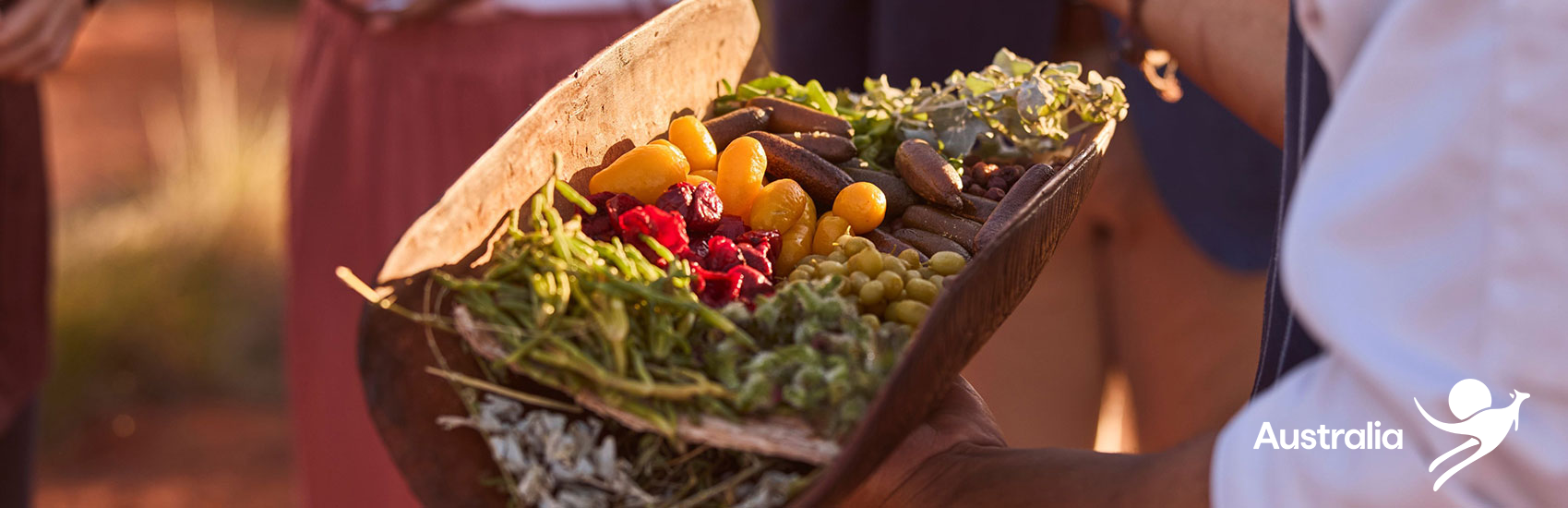
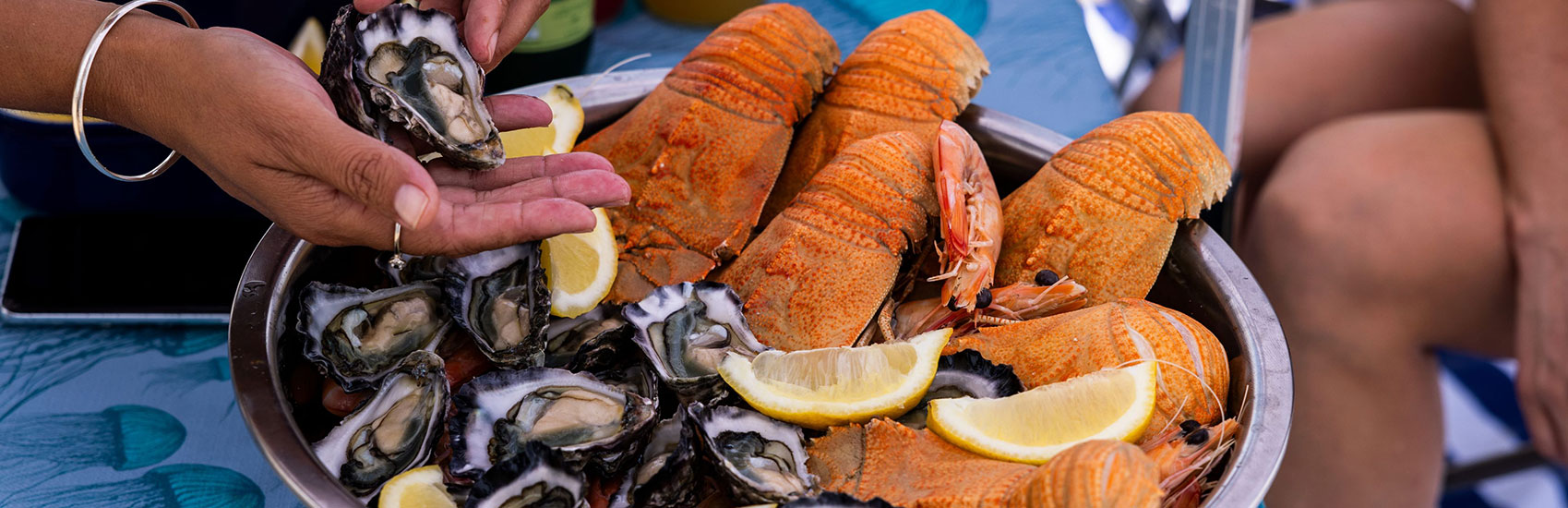
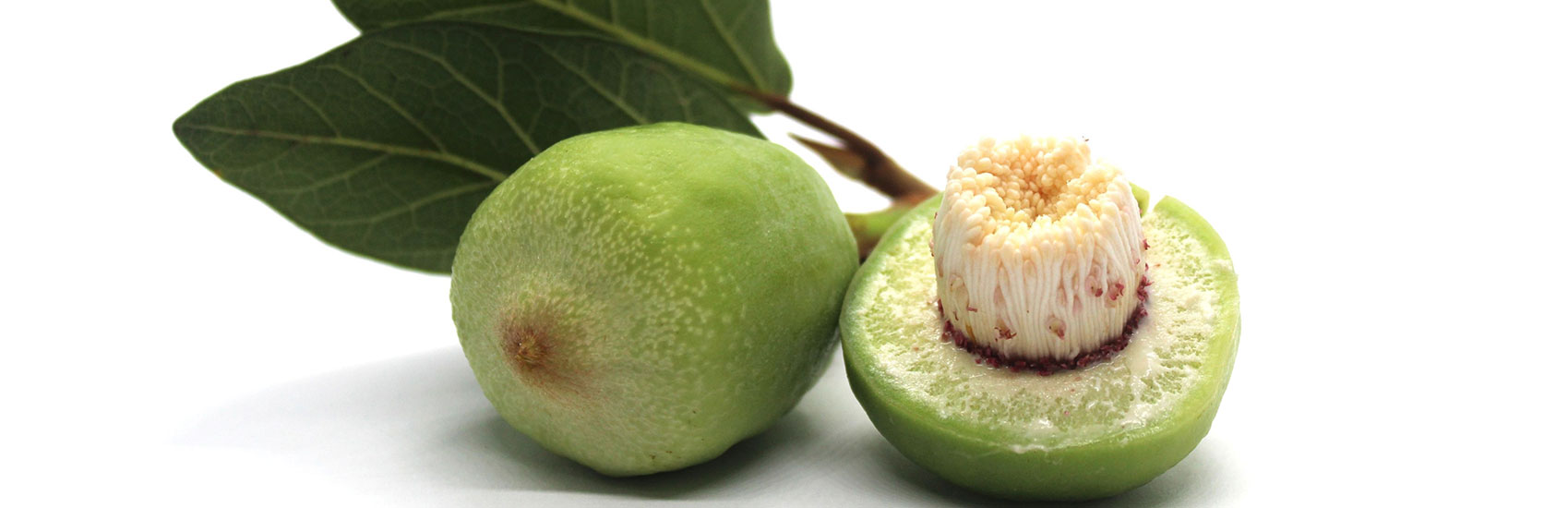

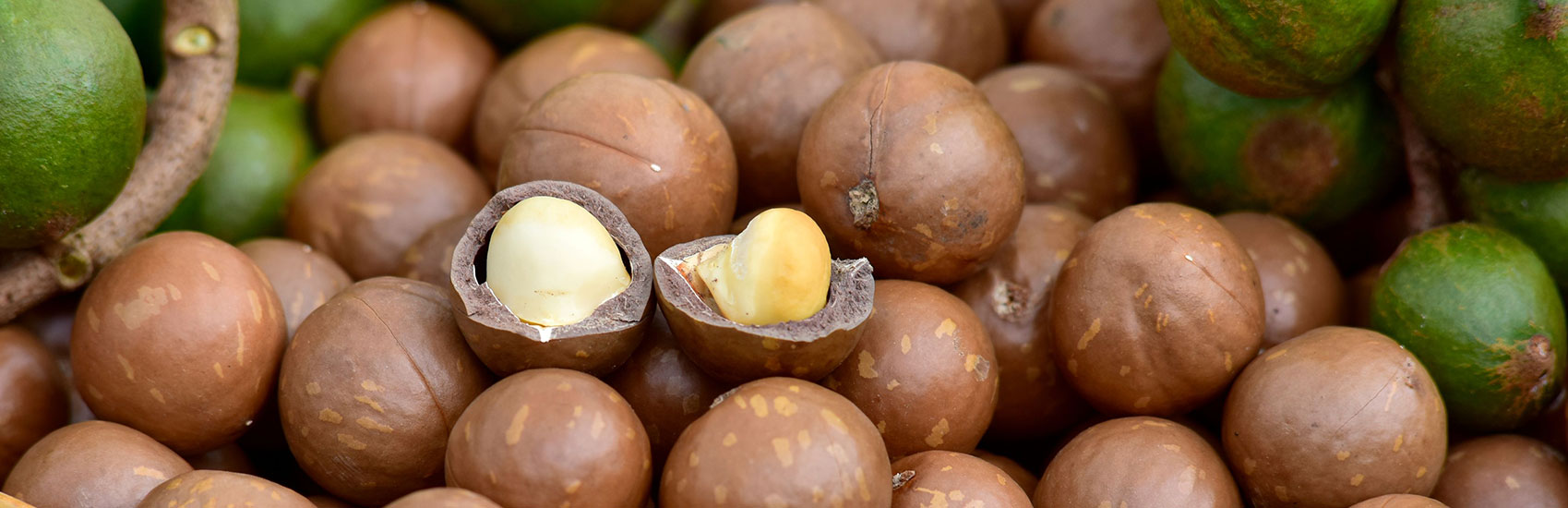
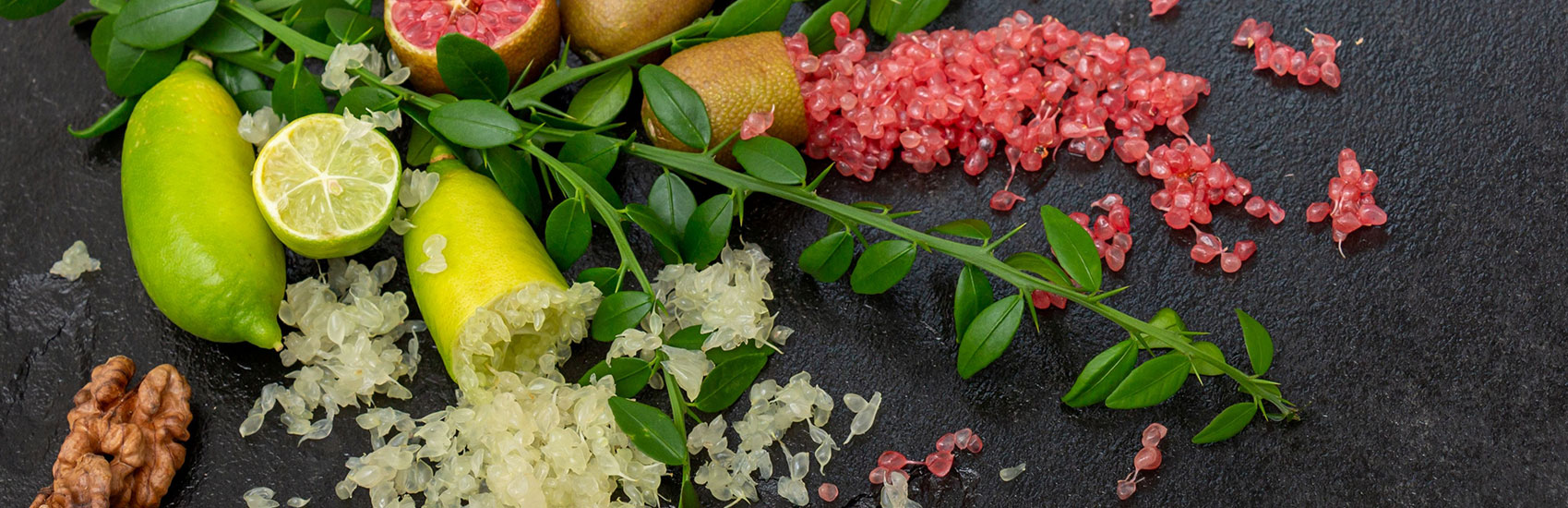
Australia's food story isn't new; it's ancient. For over 65,000 years, First Nations communities have known what we're just now rediscovering: this country is packed with incredible ingredients. Let's explore the native treasures that shaped Australian cuisine then and are shaping it now.
FROM THE SEA: Sustainable Bounty
Seafood (Barramundi, Mud Crab, Moreton Bay Bugs, Oysters, Mussels, Abalone)
First Nations communities understood something we're still learning; the ocean provides if you respect it. They've been harvesting these waters sustainably for thousands of years, and honestly, Australia has the freshest seafood.
Then: Life-sustaining protein straight from pristine waters from coast to coast.
Now: These days, you'll find barramundi on fine dining menus and oysters at your local seafood bar. Wild-caught, fresh, and guilt-free — that's the Aussie seafood promise.
WHERE TO TASTE THESE: The Oriana (Sydney, New South Wales), soak in views of Sydney Harbour Bridge and the Sydney Opera House while savoring some of Australia's finest fresh seafood.
FROM THE FOREST: Rare & Precious
Macadamia nuts
Tucked away in the rainforests of northeast Australia, macadamias have been thriving in ancient soils for ages. First Nations communities knew their value long before the rest of the world caught on.
Then: A prized rainforest treasure.
Now: A global favorite. Creamy, rich, and delicious in everything from butters to desserts. They're basically the rockstars of the nut world.
Finger Limes
Finger limes are wild. They grow on rare rainforest trees and look like tiny, bumpy lemons. But crack one open and you get these little caviar-like pearls of tangy citrus. First Nationas healers used them for their medicinal kick.
Then: A healing fruit with serious restorative properties.
Now: Chefs call them "lime caviar" for a reason. They're showing up in cocktails, on fancy plates, and anywhere you need a burst of citrus magic.
Lemon Myrtle
First Nations communities have used lemon myrtle for healing for generations. It's got this bright, zesty vibe that just feels good.
Then: A medicinal plant for wellness and vitality.
Now: A versatile flavor bomb. Chefs are adding it to everything: cooking, cocktails, desserts. It's the kind of ingredient that makes people go, "What is that amazing taste?"
Kakadu Plum
First Nations people have valued Kakadu plums for thousands of years. They knew these little fruits were special long before science proved they're basically nutritional superheroes.
Then: A healing fruit used for food and medicine.
Now: One of the most nutrient-dense fruits on the planet, packed with vitamin C and antioxidants. You'll find them in jams, sauces, desserts, and wellness products. Ancient wisdom meets modern superfood culture.
WHERE TO TASTE THESE: Restaurant Botanic (Adelaide, South Australia) focusing on a commitment to native Australian produce.
FROM THE BUSH: Lean, Sustainable Protein
Saltbush
This hardy little plant has kept people alive in Australia's harshest environments for millennia. It's tougher than it looks.
Then: A survival food in the desert.
Now: A unique, salty-mineral ingredient that adds real depth and character to modern dishes, or as a crispy snack on its own.
Crocodile
Northern Australia's Indigenous communities have long valued crocodile as a nutritional powerhouse, low fat, high protein, and rich in omega-3s.
Then: A reliable protein source in tropical regions.
Now: It's becoming an emerging ingredient on innovative Australian menus.
WHERE TO TASTE THESE: Attica (Melbourne, Victoria), known for a playful take on native ingredients for those with a curious attitude.
Experience It Yourself: Travel to Taste
Want to taste these ingredients straight from the source? Australia's food tourism is booming. Visit Queensland's rainforests to forage finger limes, head to Tasmania for truffle hunting experiences, or book a culinary tour along the coast to learn about sustainable seafood from local fishers. Many lodges and resorts, like luxury mountain retreats and beachside escapes, are putting native ingredients front and center on their menus. There's nothing quite like savoring authentic native ingredients under the stars or sipping a lemon myrtle cocktail while watching the sunset over the ocean.
Looking to dive deeper? For a more personalized approach, Southern World can create custom-tailored itineraries focused on food and wine experiences, taking you beyond the typical tourist trail to connect with local producers, Aboriginal communities, and culinary experts. Alternatively, for travelers who prefer the ease of a guided vacation, Globus journeys weave food and wine experiences throughout their Australian tours - from Aboriginal cultural experiences and bush food tastings to winery visits - giving you authentic culinary moments without the planning hassle.
The Future of Australian Cuisine
Here's what's really cool, Australians are not inventing anything new. They're remembering. By bringing these native ingredients back to our tables, they are honoring thousands of years of knowledge while also doing right by the planet. It's sustainable, it's delicious, and it's authentically Australian.
The best part? The best innovations often come from looking back to what people already knew.
Interested in tasting Australia's culinary treasures? Share what draws you most — the ingredients, the destinations, the stories — and let's design the perfect food journey together.

Australia is the kind of place that stays with you long after you’ve left. From Queensland’s sun-soaked beaches and the rugged Outback to South Australia’s rolling vineyards and the buzzing streets of Sydney and Melbourne, there’s plenty to fall in love with. Snorkel the Great Barrier Reef, drive the Great Ocean Road, spot kangaroos and koalas in the wild, or wander through the ancient rainforests of the Daintree. Discover the rich stories and traditions of First Nations cultures, sip your way through world-class wine regions, or enjoy fresh seafood by the coast. And wherever your travels take you, you’ll find friendly locals, stunning scenery and that easygoing Aussie spirit that makes you feel right at home. Whether you're up for adventure or keen to slow down and enjoy the good life, there's always something new to discover Down Under.

Where well-being, culture and conscious travel come together.
More details...
Australia is known for its incredible wildlife, from fluffy Koalas to bouncing Kangaroos to species found nowhere else on Earth.
More details...
Discover what makes each of South Australia's four premier wine regions unique, and plan your perfect wine adventure.
More details...
Experience a 14-day culinary journey along Australia's Pacific Coast — from tropical Cairns and the Atherton Tablelands' farm-to-table experiences to pristine Mission Beach, charming coastal towns, and the Fraser Coast's world-class seafood and wine regions.
More details...
Experience a culinary journey through South Australia's most celebrated food and wine regions — from Adelaide's vibrant markets and wine masterclasses to the Barossa Valley's historic wineries and gourmet experiences, finishing in the Adelaide Hills' cool-climate wines and fine dining.
More details...Terms & Conditions
Photos used with permission of Tourism Australia.