From local dining customs to the must-try dishes, here is everything you need to know about food in Malta.
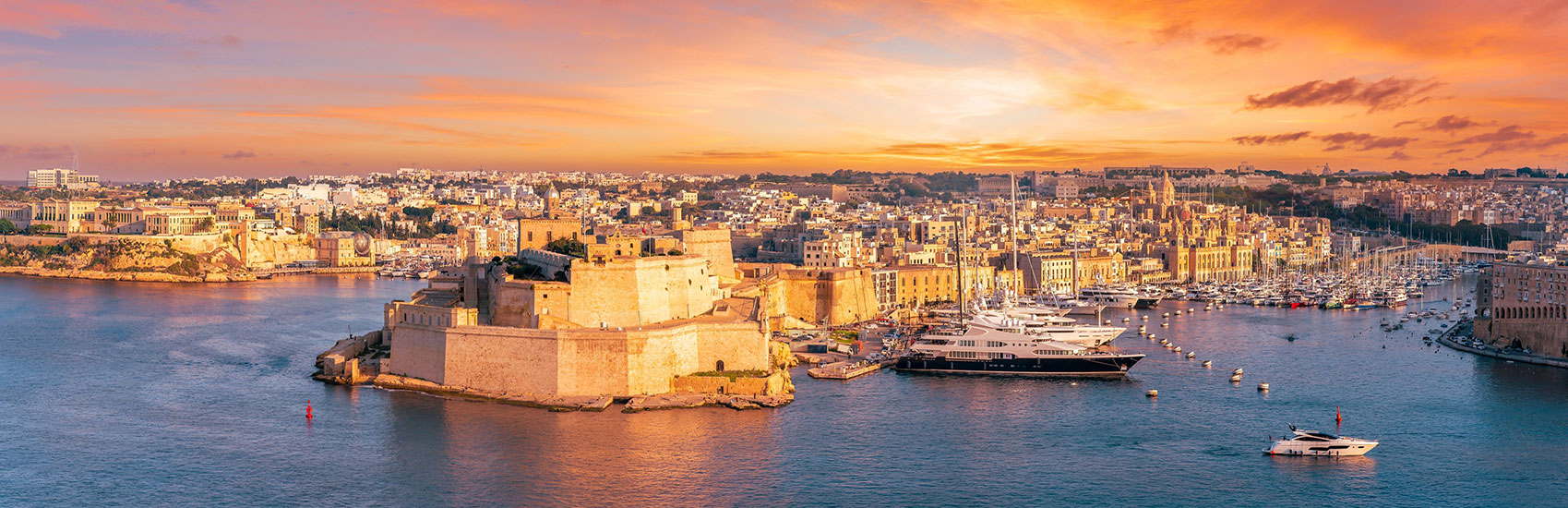
Sip cappuccinos by the sea, relax under the warm Mediterranean sun, and enjoy stunning sunsets in this iconic region. From its sunny shores to vibrant coastal towns, the Mediterranean is the dream destination you’ve always imagined. Explore charming landscapes, indulge in delicious local cuisine, and immerse yourself in rich history and culture.
With Celebrity Cruises, you’ll uncover hidden gems and unforgettable experiences that make your journey truly special. Discover why nothing comes close to the Mediterranean and the special ports of Malta.
Food in Malta is utterly delicious. Although it’s less well-known than the country’s thrilling history, culture, and beaches, Malta’s wonderful culinary landscape combines heritage and community with island-grown produce and Mediterranean seafood.
Lying in the southern Mediterranean, Malta is a small island nation—roughly twice the size of Washington D.C.—where influences from North Africa and Europe shape the cuisine. Fresh seafood naturally features on menus in Malta, along with national dishes such as stuffat tal-fenek, a rich rabbit stew, sweet pastries, bread, and cheese.
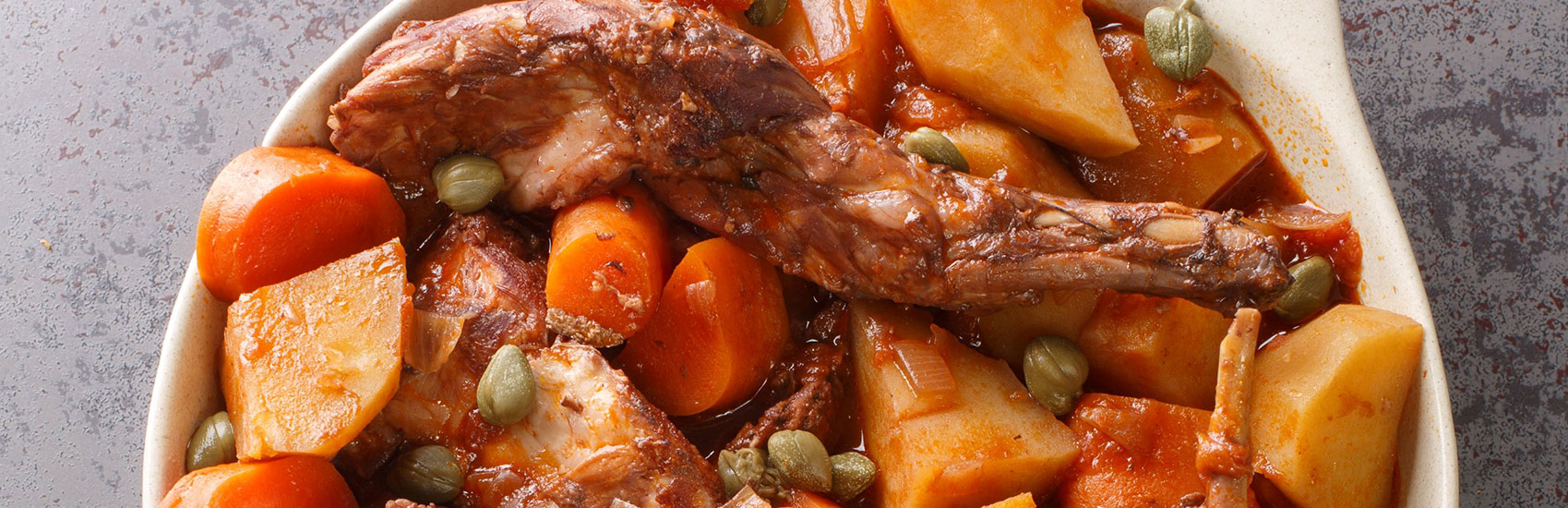
Stuffat tal-fenek, or rabbit stew, is considered Malta’s national dish. This hearty, protein-rich meal consists of rabbit cooked with a variety of vegetables, herbs, and wine. It’s rustic, tasty, and a must-try Maltese dish. Look out for it on menus as spaghetti tal-fenek, too, which is the same recipe, with the addition of pasta.
Stuffat tal-fenek has been around for centuries and is said to originate from the time when hunting was restricted to the nobility, around the time of the Knights of St. John, from the 16th to 18th centuries. When the ban was lifted, fenek, which translates as rabbit, became the country’s symbol of freedom and identity.
Stuffat tal-fenek is a popular Sunday family meal and is often served at gatherings, along with liberally poured glasses of Ġellewża, a Maltese red wine. I advise you to check it out for yourself at La Pira Maltese Kitchen, a cozy spot in the Old Town with seating inside and outside.
Despite its name, this Maltese dish contains no olives. Bragioli consists of thinly sliced beef or veal that’s rolled into an olive-like shape, only larger. The sliced meat is wrapped around a filling of minced beef or pork, mixed herbs, and breadcrumbs, then slow-cooked in a rich tomato and red wine sauce with onions, carrots, celery, and bay leaves.
Bragioli is Maltese comfort food at its finest, usually served with creamy mashed potatoes, pasta, or fresh bread, and paired with Maltese red wine, such as a Ġellewża, or a Merlot.
This dish has evolved, likely originating from the Italian word “braciola,” meaning a small slice of meat, and has been adapted in Maltese kitchens over time. Try it at Tas Soli – Kċina Maltija, a traditional family-run restaurant located right by St. George’s Square in Valletta.
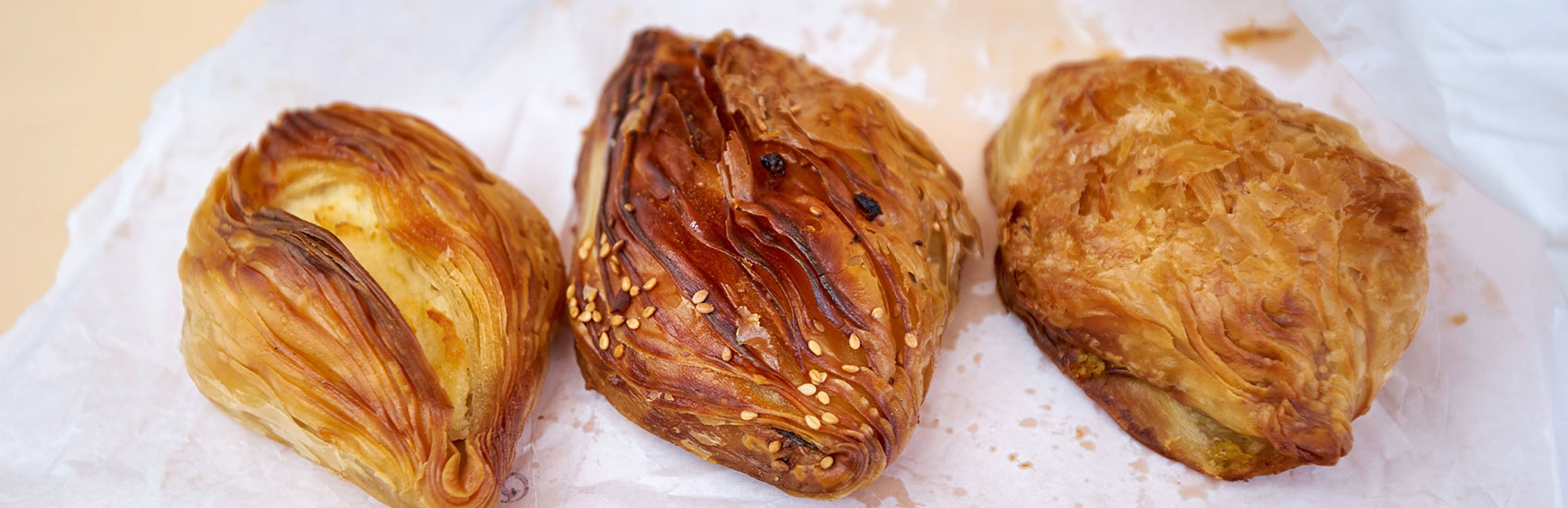
This Maltese food—pronounced “puh-stit-see”—is stuffed, baked puff pastry. The flaky pastry is filled with ricotta or a mushy pea mixture, and baked until crisp and golden on the outside.
A dish that’s been around for centuries, you’ll find pastizz served in cafés and eaten as a daytime, street-food-style snack. It’s beloved in Malta as an inexpensive and tasty dish. Try one at the extraordinary Caffe Cordina in Valletta’s Old Town, where you’ll also find pastizz stuffed with minced beef on the menu. My tip is to take a seat outside, in Republic Square, and order one of the decadent cakes afterward.
This Maltese food, pronounced jib-bay-nyet, is a small, round cheese made with sheep’s milk. There are three variations of gbejniet, ranging from soft and creamy to firm and crumbly, one with a mild, milky flavor, another with a nuttier finish.
Ġbejna friska is a fresh cheeselet, similar to mozzarella or ricotta in texture. Ġbejna moxxa is air-dried and sometimes lightly salted, with a firmer texture, and gbejna tal-bżar is coated in crushed black pepper.
Ġbejna is eaten in salads, served with bread and olive oil, and with other cheeses and meats. It originates in Gozo, one of the three islands in the Maltese archipelago. If you spend any time exploring this pocket-sized island, you might see gbejniet drying in reed trays, covered with netting.
Try it at It-Tokk, a daily open-air market in Independence Square, Victoria, the capital of Gozo, where fresh fruit, vegetables, olive oil, bread, meats, and fish are sold alongside souvenirs and household items.
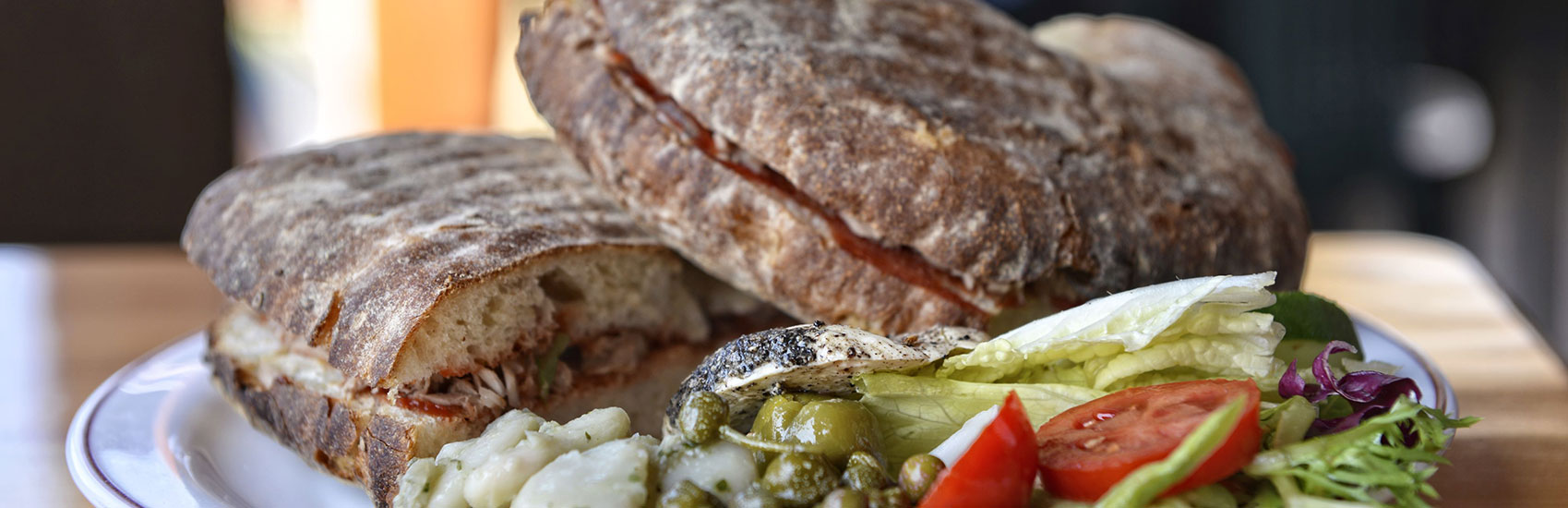
It’s impossible to talk about Maltese food without talking about ftira. This traditional Maltese flatbread is similar to pitta bread, round and slightly hollow in the middle, baked until the outside is just about crisp. Ftira is served with olive oil, dips, or topped with delectable fillings and turned into a sandwich.
Ftira has its roots in the Middle East and would traditionally be baked in stone ovens. Today, it’s eaten all over Malta, and “The Art of Baking Maltese Ftira” was recognized by UNESCO in 2020.
Don’t miss the chance to sample ftira layered with zingy toppings such as tuna or anchovies, capers, olives, tomatoes, onions, and fresh herbs. A rich tomato paste is often spread over the bread, adding to the depth of flavor. Nenu the Artisan Baker, a restaurant in Valletta, serves a delicious doughy ftira topped with sundried tomatoes, black olives, grated peppered gbejna, onions, Maltese sausages, capers, and thyme.
This rustic Maltese dip is made from tic beans, a smaller, local variety of broad beans. The beans are mashed or blended with parsley, garlic, olive oil, and spices, and the result is a thick dip similar to hummus.
It’s delicious with Maltese bread as a snack or appetizer to share. You’ll find this traditional Maltese food eaten across the country. Try it at Café Jubilee in Valletta, where deep-fried calamari, bruschetta, and braġjoli are also on the menu.
Lampuki is a savory pie filled with fresh lampuki fish, the Maltese name for the delicate, white mahi-mahi, topped with pastry.
This soul-warming dish is perfect on a fall day, traditionally served between August and November, when the fish pass through Maltese waters.
In addition to fish, ingredients include spinach, cauliflower, carrots, capers, olives, lemon, and garlic, topped with puff or shortcrust pastry and baked until the top is golden. Lampuki pie is served warm, often on Sundays, but you’ll find it on restaurant menus and available at some bakeries in Malta.
The best place to try it is in postcard-worthy Marsaxlokk, a traditional fishing village in south Malta, where multicolored fishing boats gently bob in the harbor and seafood restaurants line the waterfront.
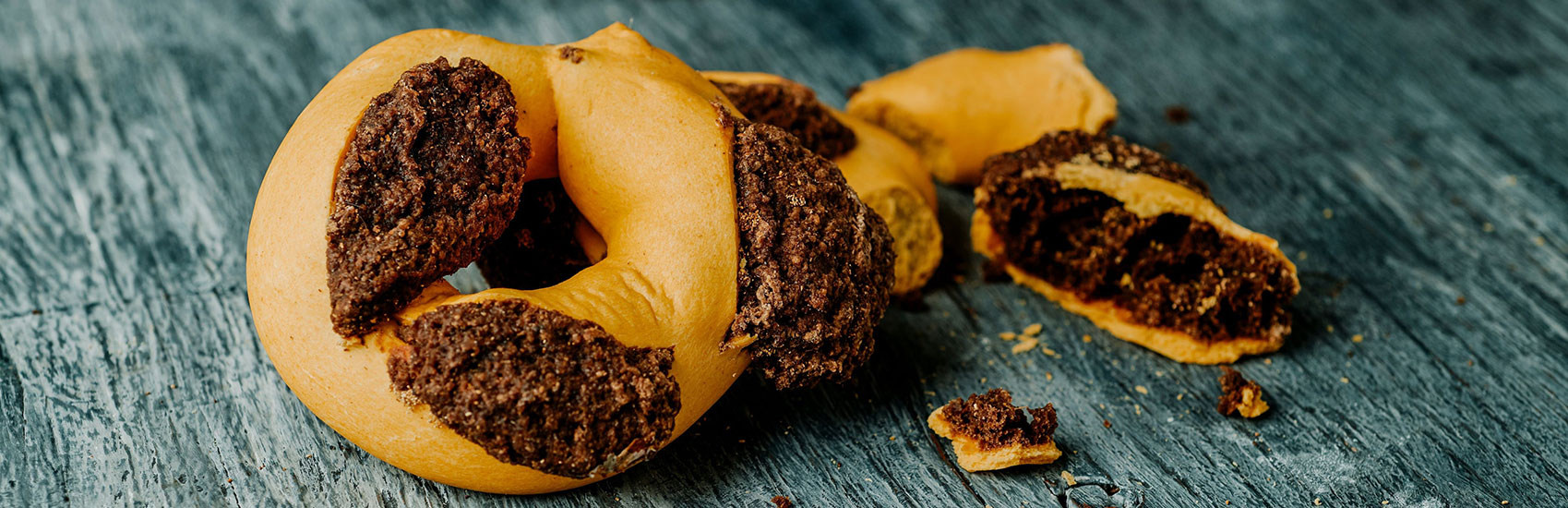
This sweet treat, which translates as honey ring, is actually ring-shaped pastries that are traditionally shared around Christmastime, though they are also enjoyed year-round. Qaghaq tal-ghasel don’t contain honey; instead, they are filled with a sticky, spiced black treacle mixture.
Vanilla or aniseed is usually added to the pastry mixture to give it a more fragrant flavor. The filling, għasel tal-qagħaq, uses black treacle as the main ingredient, mixed with semolina, cocoa powder, sugar, spices such as cloves, cinnamon, star anise, and nutmeg, and orange or lemon zest.
It’s a recipe that is said to date back hundreds of years, most likely from Malta’s Arab period, which lasted from 870 to 1091.
If you’re keen to try qagħaq tal-għasel or buy them as a souvenir, browse bakeries and supermarkets in Valletta. If you enjoy your sugary snacks with an added kick, try a version with anisette liqueur or rum.
This rustic Maltese fish soup features small fish, such as sprats or sardines, in a rich, fishy broth. To make the broth, onions and garlic are sautéed in olive oil. Peeled and chopped tomatoes, tomato purée, and herbs are then added, along with fish stock, before the fish is added.
You may see different varieties of fish used in aljotta, such as snapper or flounder, but it’s always served hot and with crusty bread to soak up the delicious flavors.
Aljotta is popular in coastal, fishing communities in Malta. It’s also a dish often prepared around Lent, in the lead up to Easter, when fish is eaten over meat. Try it at Rampila in Valletta, a gorgeous restaurant set within the Old Town’s historic city walls.
Author's Note: Sampling local cuisine in Malta offers the perfect opportunity to sample local wines, too. My tip is to try aljotta, or a similar fish soup or stew, with a glass of medium to full-bodied white wine, such as the refreshing Caravaggio Chardonnay, which is sublime with pasta, fish, and white meat dishes.
The Maltese version of ratatouille, kapunata, is a traditional island dish of stewed vegetables, including bell peppers, tomatoes, eggplants, onions, garlic, and olive oil. Oregano, parsley, basil, and sometimes capers or olives are added to create extra depth of flavor.
Kapunata is served as a side dish, often accompanying a meat or fish course, though it’s also served as an appetizer. It’s delicious with warm bread, too.
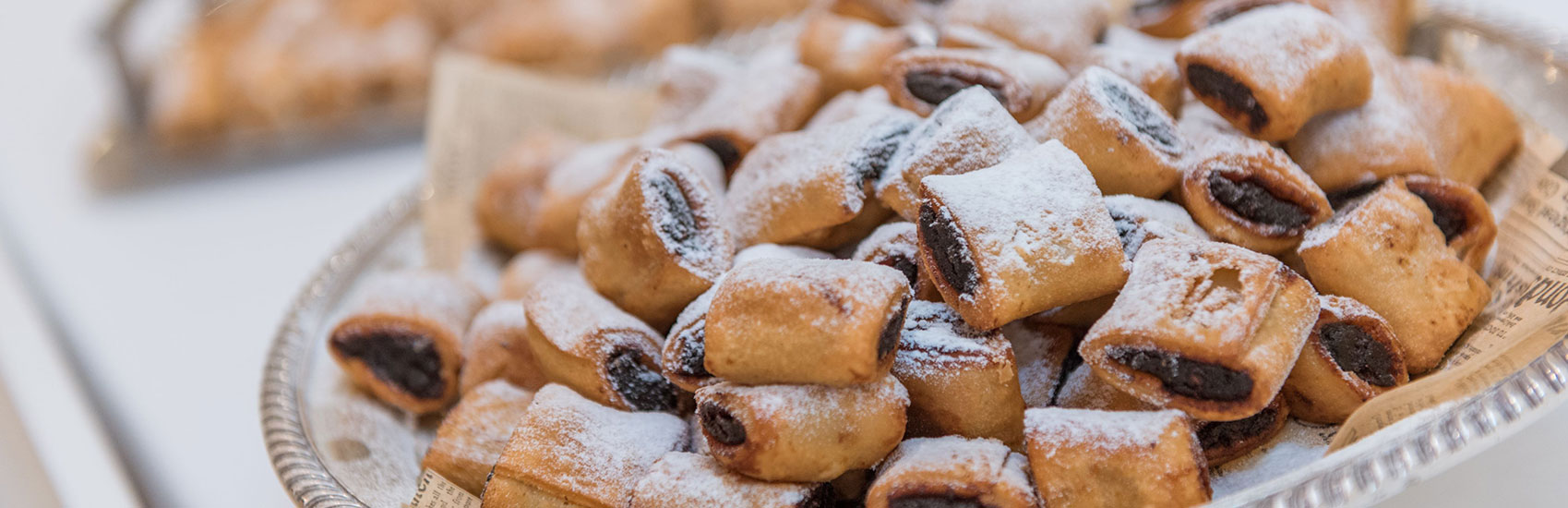
This calorific, sweet pastry dish is filled with dates and deep-fried, usually moulded into a diamond shape. Spices such as nutmeg and aniseed are often included in the filling mixture and served as street food, at bakeries, and at festivals.
Imqaret is another food in Malta with Arab influences. In Valletta, you could sample imqaret at the dates kiosk near the bus terminal, just outside of the city walls. Savor imqaret first thing, with a coffee, when this classic sweet snack is likely to be piping hot.
Kannoli tal-irkotta, divine ricotta-filled pastries, is Malta’s answer to Sicilian cannoli. Kannoli tal-irkotta, which literally translates as ricotta cannoli, consists of crispy fried pastry tubes, filled with sweetened ricotta cheese. A plethora of flavors is available, some with chocolate chips, citrus zest, or candied fruit, and topped with powdered sugar, chopped pistachios, or candied orange peel.
Kannoli tal-irkotta are wonderful at breakfast or as an afternoon pick-me-up, after a day of exploration. You’ll find them at bakeries and dessert shops in Valletta

Cruises Celebrity Cruises delivers an elevated premium vacation experience across their fleet of ships traveling to nearly 300 destinations across more than 70 countries spanning all seven continents. Uniquely offering the intimate feel and thoughtful service of small ships, with the variety and excitement of bigger ones – guests can explore the world or get away from it for a little while. With every detail elevated beyond expectations, guests will never want to vacation any other way. An industry pioneer for more than 35 years, each Celebrity vacation offers experiences you won’t find anywhere else aboard ships which continue to shatter industry expectations.