The Galápagos, the National Geographic-Lindblad Expeditions Way
Some places change the way you see the world. The Galápagos Island are one of them.
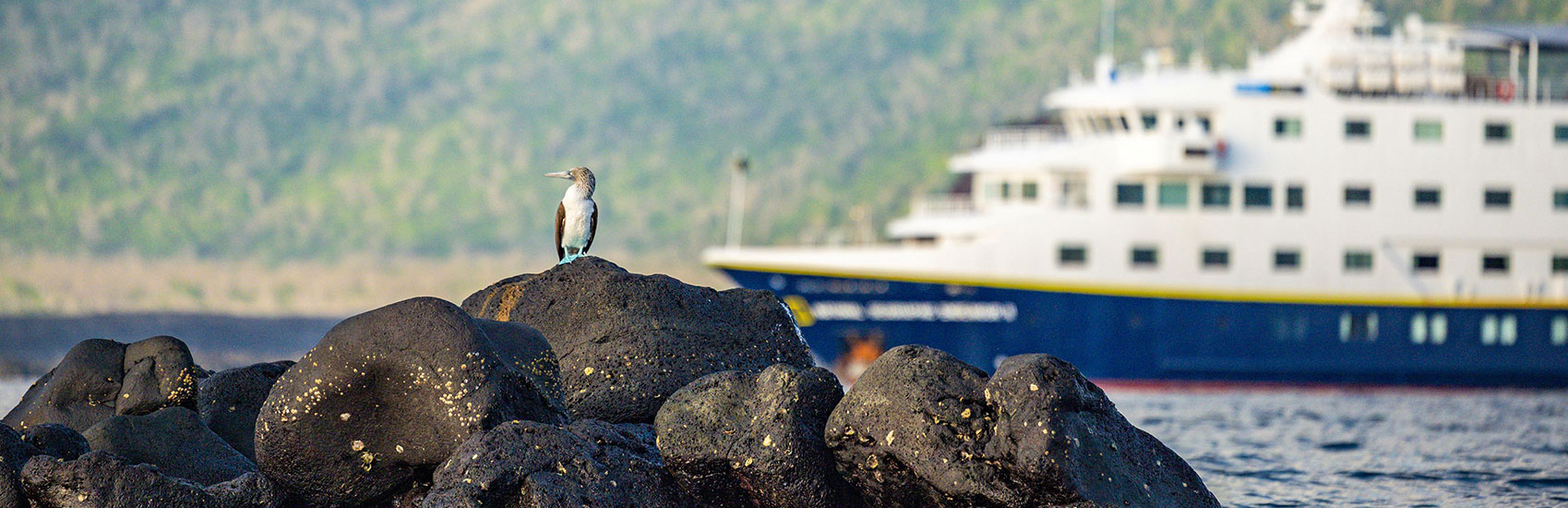
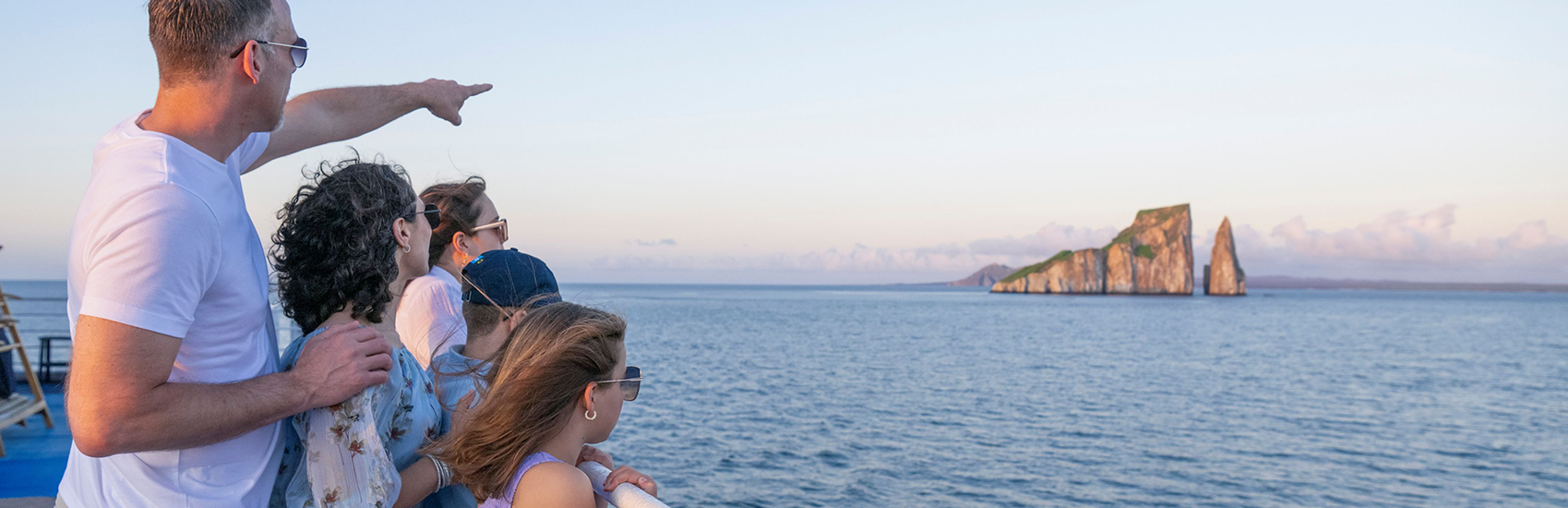
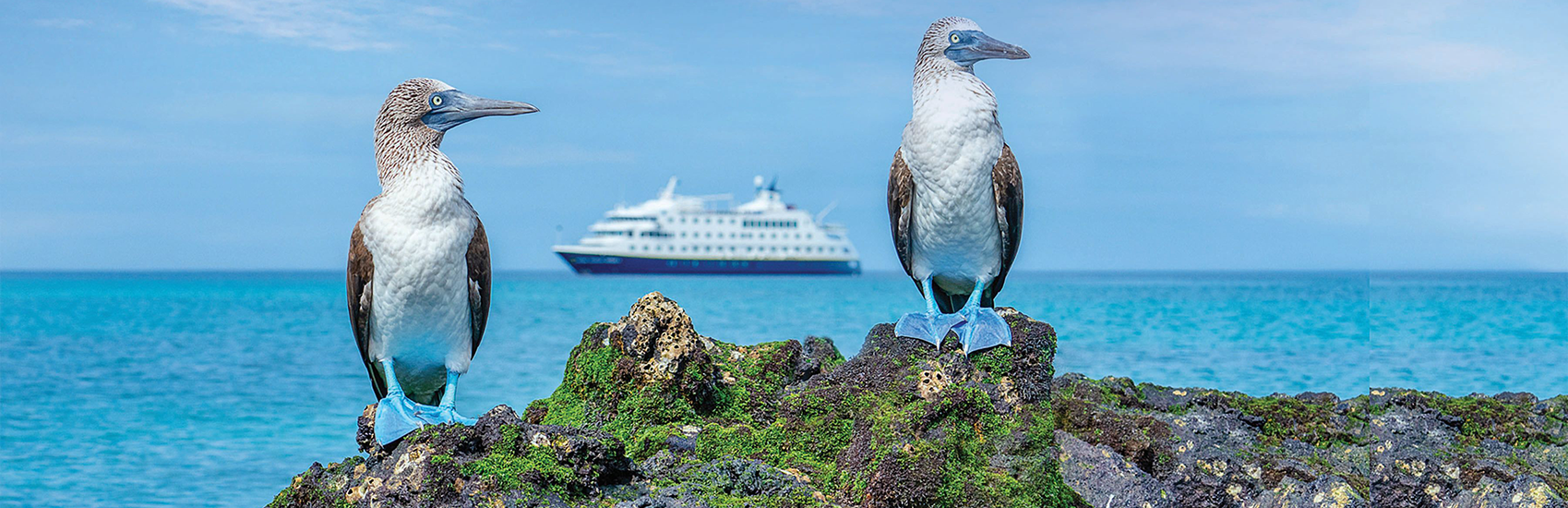
Located nearly 600 miles off the coast of Ecuador, this extraordinary archipelago is shaped by volcanoes and home to wildlife found nowhere else on Earth. Its remarkable species helped inspire Charles Darwin's theory of evolution—but experiencing the Galápagos is about far more than seeing the animals you have read about. How you experience these islands makes all the difference.
In 1967, Lars-Eric Lindblad led the first international expedition to the Galápagos for citizen explorers, pioneering a style of responsible exploration. Every National Geographic-Lindblad Expeditions voyage is shaped by that heritage. Aboard a small expedition ship, guests experience the islands actively and up close, walking among remarkable wildlife, exploring above and below the water and gaining a deeper understanding of one of the world’s most extraordinary ecosystems.
Where Every Day Begins with Discovery
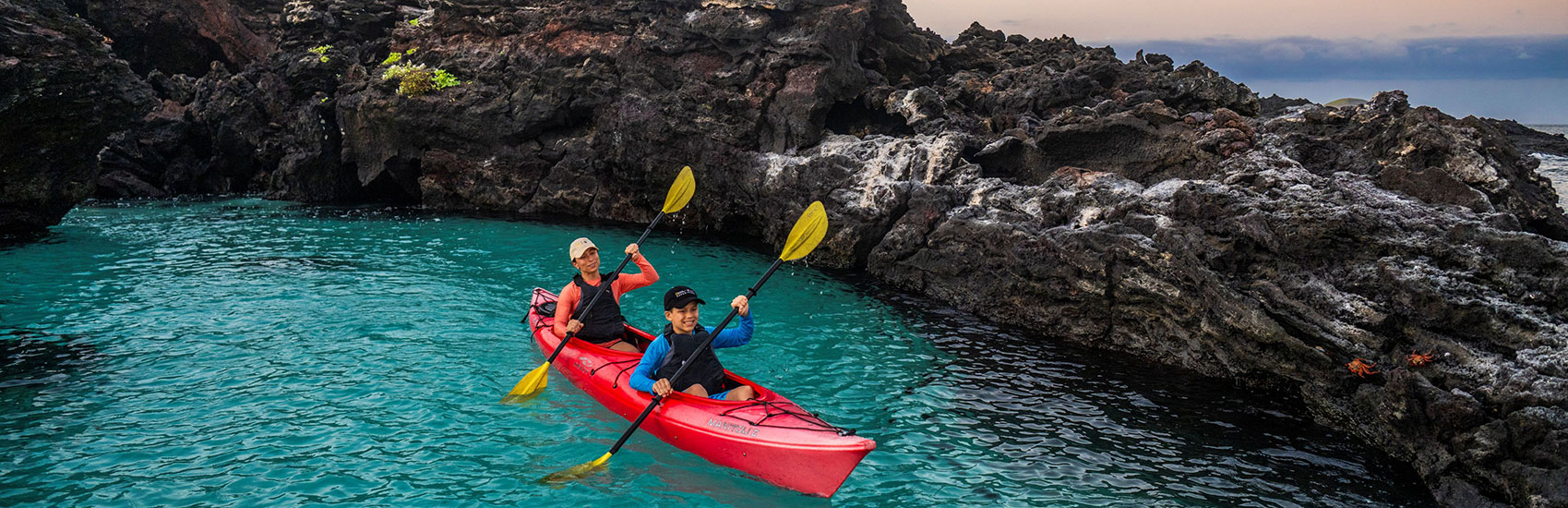
Each day brings new opportunities to experience the islands from every perspective—on foot, by Zodiac and kayak, and above and below the water.
From the moment guests arrive aboard a National Geographic-Lindblad Expeditions ship, every detail has been thoughtfully arranged so they can focus entirely on discovery. Daily excursions, expedition equipment, expert guidance, and enriching presentations are seamlessly integrated into the journey.
Perhaps you'll step ashore on a black lava beach where marine iguanas bask in the morning sun. Later, you may hike through a landscape dotted with giant prickly pear cacti while blue-footed boobies perform their famous courtship dance just a few feet away. By afternoon, you could be snorkeling beside playful sea lions, kayaking along dramatic cliffs, or cruising through hidden coves in a Zodiac as penguins dart through the crystal-clear waters.
Where Wildlife Knows No Fear
Few places on Earth offer wildlife encounters like the Galápagos.
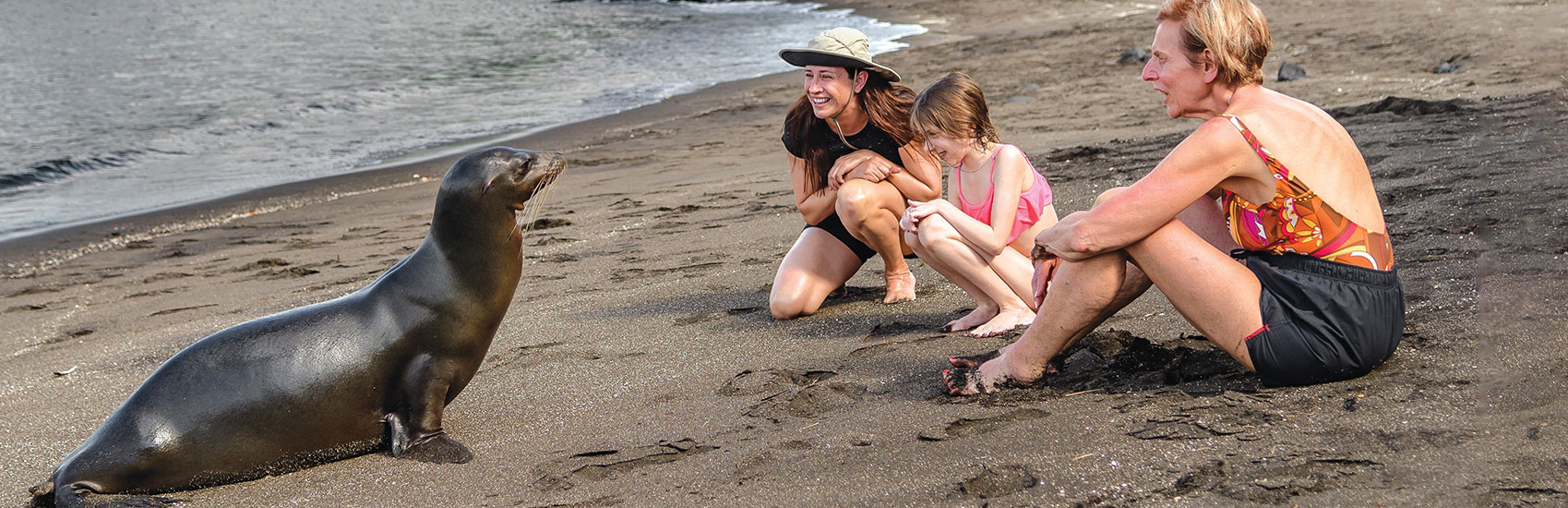
Having evolved in relative isolation, many of the islands' animals exhibit remarkably little fear of humans, allowing for extraordinary opportunities to observe natural behaviors from a respectful distance. Sea lions lounge beside walking trails. Sally Lightfoot crabs paint volcanic rocks with brilliant reds and oranges. Giant tortoises roam the highlands, while frigatebirds soar overhead with their unmistakable scarlet throat pouches.
Below the surface, the islands reveal an equally fascinating world. Sea turtles glide effortlessly through turquoise waters. Schools of colorful fish weave around volcanic reefs. Curious sea lions may swim nearby, twisting and turning effortlessly through the water.
Every encounter unfolds on nature's terms. The Galápagos National Park carefully protects these islands and the wildlife that depends on them, while experienced naturalists help guests understand the behaviors they're witnessing and the conservation efforts that ensure this extraordinary ecosystem endures for generations to come.
The Experts Behind Every Expedition
One of the greatest differences between traveling with National Geographic-Lindblad Expeditions and taking a traditional cruise is the people who accompany you.
Every voyage is led by experienced expedition leaders and Ecuadorian naturalists certified by the Galápagos National Park. Their knowledge transforms every walk into an engaging story, revealing the intricate relationships between wildlife, geology, ocean currents, and evolution.
Many departures also feature National Geographic-Lindblad Expeditions certified photo instructors who help guests capture unforgettable images while learning how to better tell visual stories. Undersea specialists capture and share underwater footage, revealing the marine life and volcanic seascapes that many guests would otherwise never see in such detail.
Whether identifying a rare finch or explaining how volcanic islands continue to evolve today, the expedition team helps guests leave with a deeper understanding of the wildlife, geology and interconnected ecosystems that make the Galápagos unlike anywhere else on Earth.
Adventure Above and Below the Water
The Galápagos Islands are not simply a destination to see—it's a destination to experience.
Each expedition offers a variety of ways to explore, allowing guests to engage with the islands from multiple perspectives.
One day may begin with a peaceful kayak excursion along rugged volcanic coastlines before transitioning to a guided hike across lava fields rich with endemic plants and nesting seabirds. Another might include snorkeling in calm bays, where rays, reef sharks, sea turtles, and tropical fish share the water with playful sea lions.
For those who prefer to stay dry, Zodiac cruises and glass-bottom boat excursions reveal the marine world in remarkable detail, while photographers find endless inspiration in dramatic landscapes and incredible wildlife behavior.
Because every activity is included and carefully coordinated by the expedition team, guests are free to simply enjoy each moment without worrying about logistics or planning.
A Deeper Connection to Place
The Galápagos experience extends beyond wildlife.
Throughout the journey, guests gain a greater understanding of the islands' unique history, conservation efforts, and the ongoing work to protect this UNESCO World Heritage site for future generations.
Depending on the itinerary, visits to local communities and conservation centers can provide insight into life on the islands and ongoing efforts to protect the archipelago, while conversations with the expedition staff offer a deeper appreciation for the delicate balance between tourism and conservation.
Onboard dining also connects guests to the destination through Ecuadorian-inspired dishes and regional flavors. It's another reminder that travel isn't just about seeing a place—it's about experiencing it with all your senses.
In the Galápagos, comfort and exploration go hand in hand
National Geographic-Lindblad Expeditions operates four expedition ships in the archipelago, with each carrying between 16 and 96 guests, so every landing feels personal. With ships carrying just 16 to 96 guests, exploration feels personal and immersive, with the time and space to fully engage with each experience.
After a day of exploration, guests return to welcoming accommodations, exceptional service, inviting public spaces, and locally inspired cuisine. Evenings are spent sharing stories with fellow travelers while reflecting on the day's discoveries and anticipating tomorrow's adventures.
It's a style of travel that combines comfort with purpose—where every amenity enhances the expedition rather than distracting from it.
The Journey Stays with You
Long after the voyage ends, what many travelers remember most isn't a single wildlife sighting or breathtaking landscape.
It's the feeling of standing just feet from a giant tortoise that has wandered these islands for decades. Watching a young sea lion curiously swim circles around you while snorkeling. Witnessing a volcanic sunset from the deck of a small expedition ship. Realizing that you've experienced one of the world's most extraordinary places not simply as a visitor, but as an explorer.
That's the true difference of traveling with National Geographic-Lindblad Expeditions.
You don't simply visit the Galápagos.
You experience it from every perspective—guided by people who know these islands intimately and shaped by nearly six decades of exploration here. You return home with a deeper understanding of the natural world, a renewed sense of wonder, and stories that stay with you long after the journey ends.

Discover the planet's most remarkable places, accompanied by experts who can shed light on the things you see, with expedition tools to use along the way, so you can explore up close and personally.