Flavors of Place: Travel Through Local Kitchens
From local markets to hands-on cooking experiences and regionally inspired dining, food offers one of the most direct ways to understand a destination. It reflects geography, history, migration, and identity—all on a single plate.

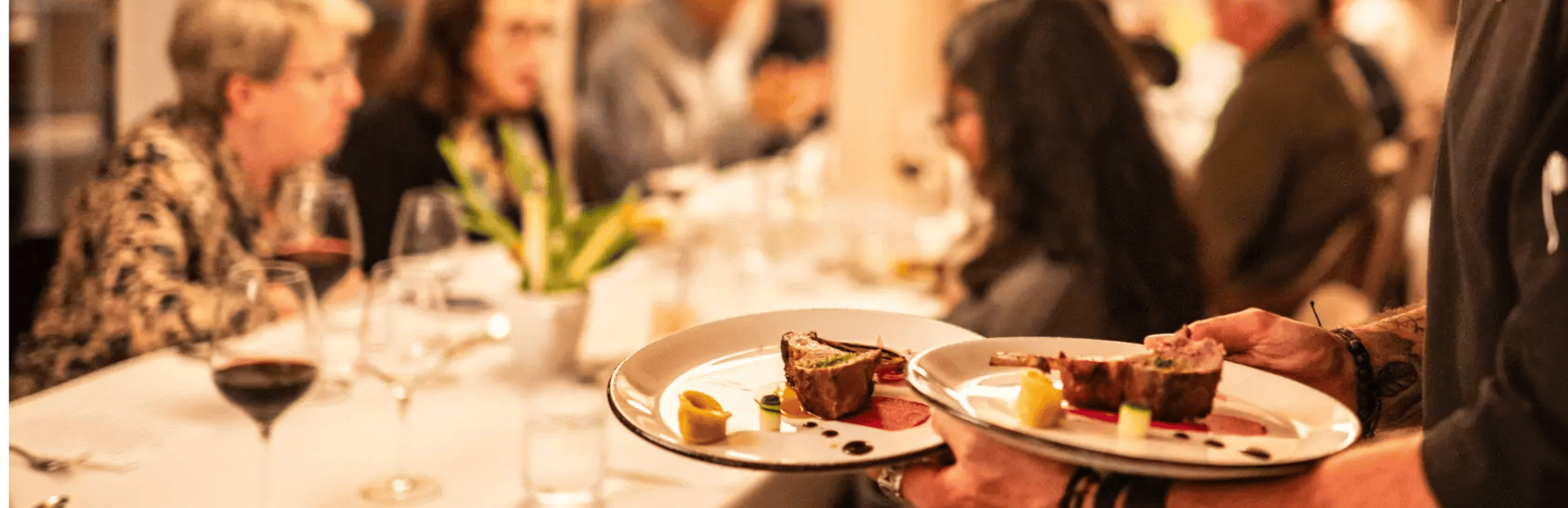
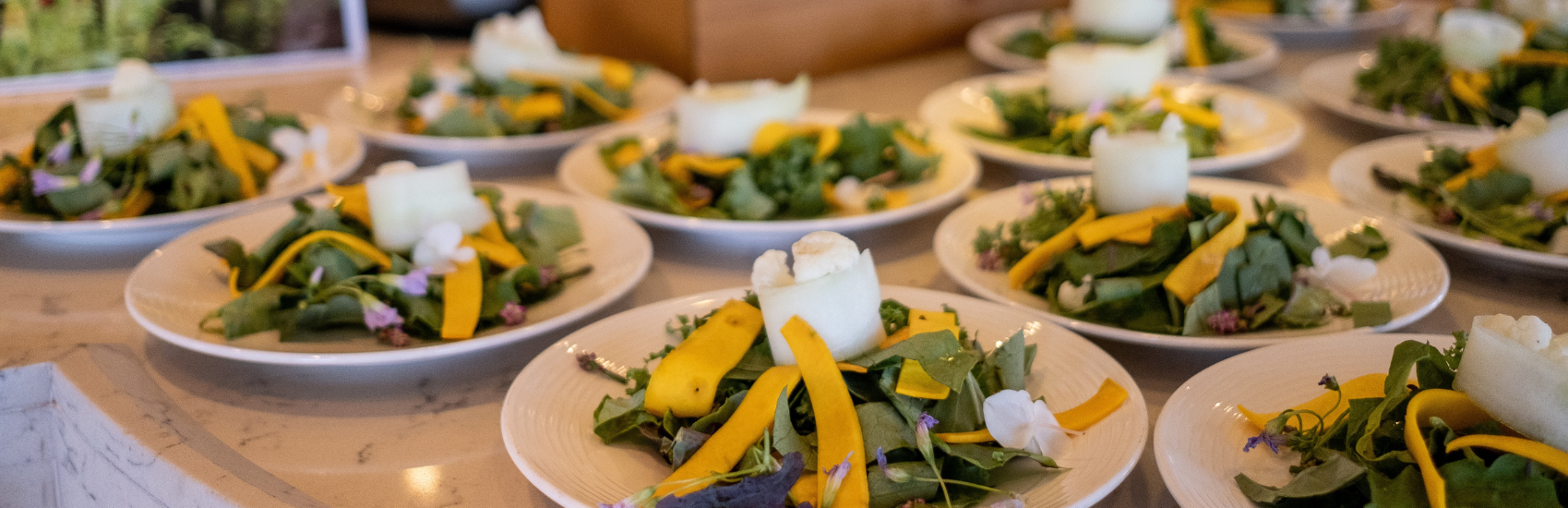
Seeing Travel Through Food
Food is more than something we eat while traveling. It is part of the story of a place.
Ingredients reflect the land. Recipes reflect history. Meals reflect community. When travelers engage with local food culture, they begin to understand not just what a place looks like, but how people live.
Culinary travel invites deeper engagement. It may include visiting local markets, learning from chefs, meeting producers, or exploring regional cooking traditions. These experiences help travelers see how food connects to everyday life and how communities sustain their food systems.
When designed thoughtfully, food-focused travel can also support local economies and help preserve culinary traditions. The impact depends on how experiences are structured—especially how deeply they involve local ownership, sourcing, and participation.
Partner Spotlight: Oceania Cruises
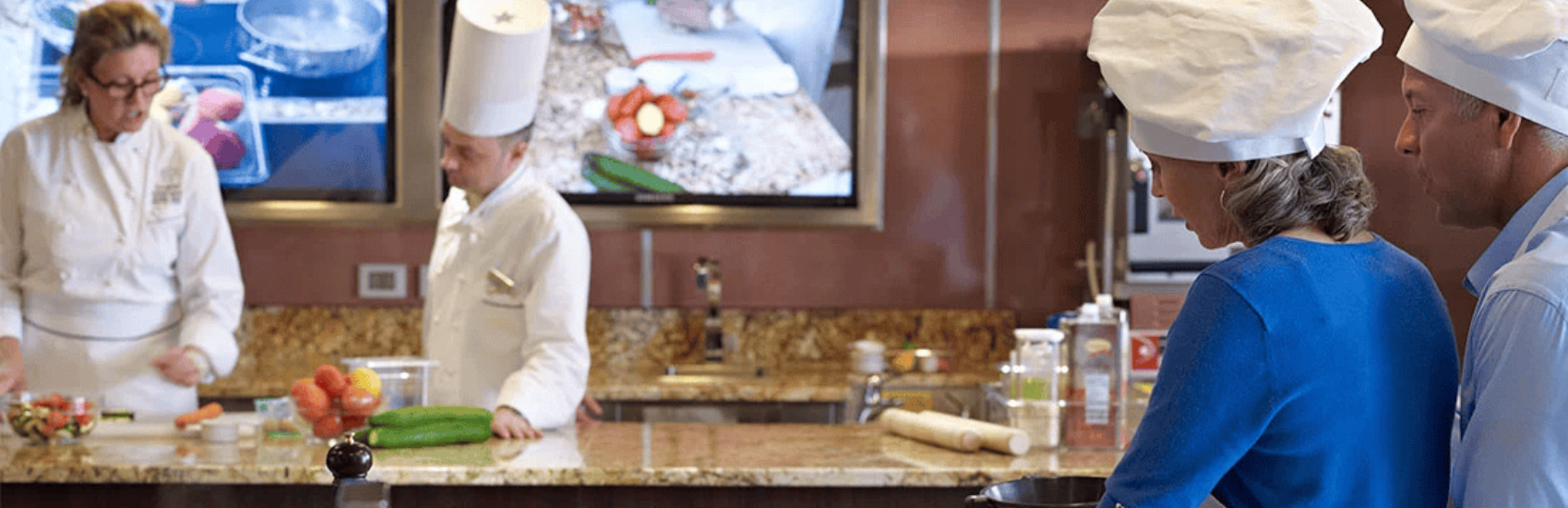
On board Oceania Cruises, culinary exploration extends into dedicated spaces such as The Chef’s Studio and The Culinary Center, where guests can engage in demonstrations and hands-on cooking experiences that bring global cuisine into focus.
This immersive approach is complemented by culinary shore excursions that connect travelers to regional flavors and food traditions in destinations around the world. Together, these experiences create a continuous journey between shipboard learning and destination discovery, helping guests better understand the cultural context behind what they taste.
Like all cruise-based culinary programs, the level of local engagement can vary by itinerary and destination, but the intention is to highlight regional cuisine and offer structured access points into local food culture through guided, curated experiences.
Partner Spotlight: Lindblad Expeditions
With Lindblad Expeditions, culinary experiences are woven into a broader philosophy of exploration, where food becomes another way to understand place, people, and environment.
Menus often reflect the regions being visited, drawing inspiration from local ingredients and culinary traditions. On land, travelers may engage more directly with regional food culture in meaningful, place-based settings.
Guests sailing with Lindblad Expeditions may experience traditional dishes like Croatian peka, slow-cooked over an open fire at a family-run restaurant on the isle of Vis, often paired with locally produced wines from the Dalmatian Coast.
These moments reflect Lindblad’s broader approach to expedition travel—one that prioritizes context, local connection, and a deeper understanding of how food, culture, and environment are intertwined.
Why Culinary Travel Matters for Communities
Food-focused travel can support local communities when it is rooted in local participation and ownership. Visiting local markets, dining at locally run restaurants, and engaging with regional producers can help strengthen small businesses and sustain traditional food practices.
It also encourages a closer connection to place. When travelers understand where food comes from and who prepares it, they gain a deeper respect for the systems that support it. In many destinations, culinary tourism plays a role in keeping food traditions alive while creating opportunities for local economic benefit.
The impact of culinary travel is not automatic—it depends on how experiences are designed and who benefits from them. Thoughtful planning helps ensure that food tourism supports, rather than replaces, local food culture.
Why It Elevates the Traveler Experience
Food has a unique ability to create connection. A shared meal can open doors to understanding, conversation, and memory in a way few other experiences can.
Culinary travel adds depth to exploration. It helps travelers move beyond observation and into participation—engaging with culture in a way that feels personal and immediate. A single dish can reflect history, identity, and place all at once.
These are the moments travelers often remember most: a local flavor discovered for the first time, a story shared over a meal, or a tradition experienced at its source.
A Thoughtful Way Forward
As travel continues to evolve, food remains one of the most meaningful ways to connect with a destination. It brings together people, place, and culture in a way that is both simple and profound.
Ready to explore the world through its flavors? Connect with Direct Travel to discover journeys where local kitchens tell the story of place—one meal at a time.

At Direct Travel, we specialize in creating personalized and curated travel experiences that eliminate the guesswork and stress of planning. We consistently satisfy your travel needs and wants, making every journey easy and worry-free. Our professional and knowledgeable team removes the guesswork, providing confidence and peace of mind. From quick get aways to premium upgrades to ultra-luxury private tours, we offer a wide range of choices tailored to your preferences. With a local to global presence, we ensure elevated and unforgettable experiences. Trust Direct Travel to maximize your time away, allowing you to relax, explore, and create lasting memories.